
Cat Breed Characteristics: What Your Cat's Appearance Reveals
A cat’s appearance is more than decoration. From coat length to eye shape, physical features can reveal a lot about breed tendencies, grooming needs, and likely behavior.
How Coat Type Hints at Breed Traits
Coat length and texture are some of the clearest clues to your cat’s breed background and lifestyle needs.
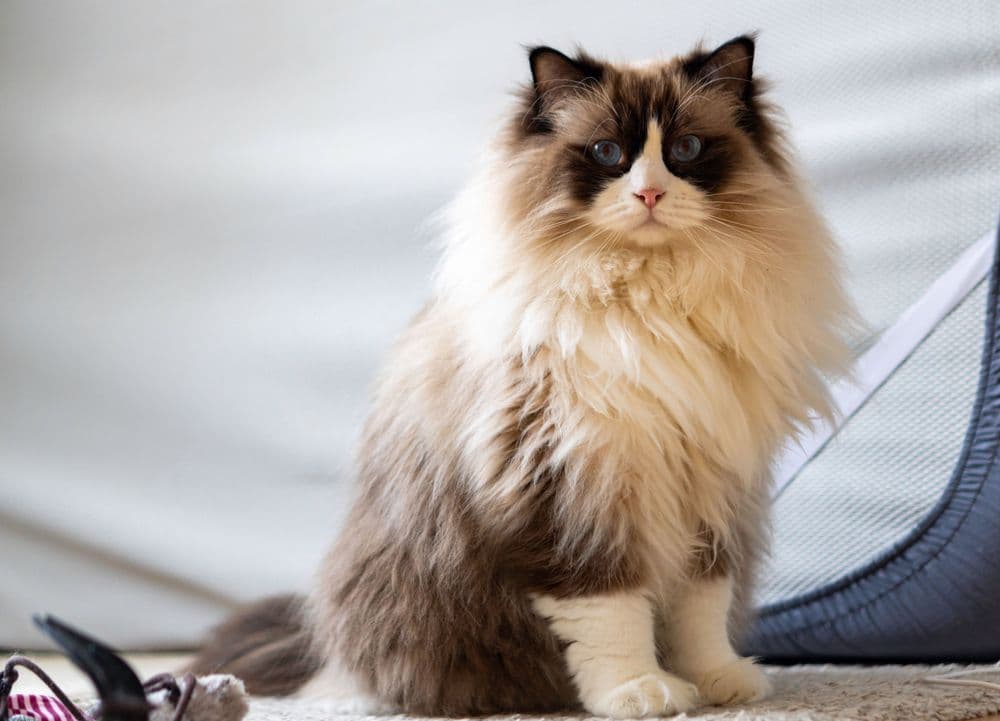
- Long-haired cats such as Persians and Maine Coons often have calmer temperaments and need daily grooming to prevent mats and hairballs.
- Semi-longhaired breeds like the Norwegian Forest Cat usually have a weather-resistant double coat that hints at outdoor-hardy ancestry.
- Short-haired breeds such as the British Shorthair or American Shorthair typically shed less visibly and may be easier to maintain for busy owners.
- Curly or wavy coats seen in breeds like the Devon Rex or Selkirk Rex suggest altered hair structure that can mean less shedding but more skin care.
- Nearly hairless breeds such as the Sphynx reveal a genetic lack of normal fur that reduces shedding yet increases the need for warmth and skin cleaning.
- Distinct color patterns like colorpoint coats in Siamese or Ragdolls often indicate sensitivity to temperature and may correlate with vocal or social personalities.
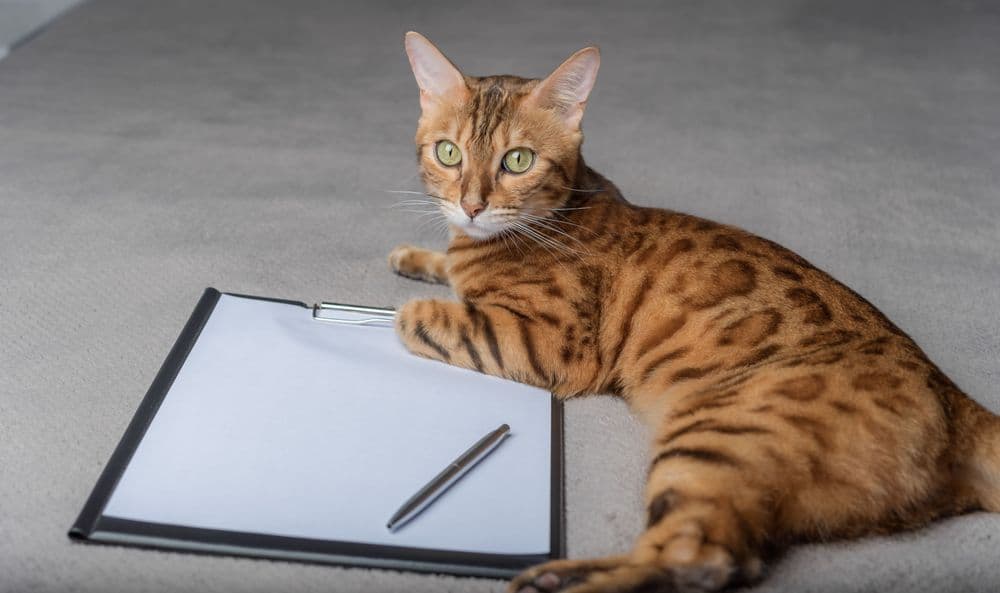
- Bold spotting or rosettes as in Bengals and Egyptian Maus point to hybrid or natural breeds bred for an athletic, high-energy, “wildcat” look.
What Body Shape Reveals About Energy and Strength
Your cat’s silhouette is another strong indicator of breed characteristics and how that cat might behave at home.
- Slender, elongated bodies like those of Siamese or Oriental Shorthairs often belong to very active, chatty, people-oriented cats.
- Medium, balanced builds typical of American Shorthairs and European house cats are associated with adaptable, moderate-energy companions.
- Large, muscular frames seen in Maine Coons and Ragdolls suggest powerful jumpers that may still be surprisingly gentle and laid-back.
- Cobby, compact bodies as in Persians or Exotic Shorthairs often pair with quieter personalities and lower jumping or climbing interest.
- Long, sturdy legs usually indicate agile climbers, while shorter legs in breeds like the Munchkin can limit jumping height but not playful curiosity.
- A deep, broad chest is common in strong working-type breeds and supports better stamina for play and exploration.
Face, Ears, and Eyes: Personality Clues in the Details
Small facial features can point to comfort needs, communication style, and sensory tendencies.
- Short, flat faces in brachycephalic breeds like Persians often mean potential breathing or eye issues and a preference for calm, indoor living.
- Wedge-shaped heads typical of Siamese or Orientals are associated with intense eye contact, strong vocalization, and high social engagement.
- Large, upright ears as seen in Abyssinians and Orientals signal strong sound sensitivity and often a curious, alert temperament.
- Folded or curled ears in Scottish Folds and American Curls reflect specific genetic traits that may require careful health monitoring.
- Almond-shaped eyes such as those in Russian Blues or Siamese can be linked to a watchful, sometimes reserved nature with chosen favorite people.
- Round, wide-set eyes found in British Shorthairs or Exotics tend to give an open, gentle expression that often matches a calm demeanor.
Tail and Paws: Balance, Communication, and Play Style
Even the tail and paws can give subtle hints about breed characteristics and behavior.
- Long, full tails like those of Maine Coons or Norwegian Forest Cats help with balance and usually belong to confident climbers.
- Bobbed or shortened tails in breeds such as the Manx or Japanese Bobtail come from specific genes and may be paired with playful, doglike traits.
- Fine, dainty paws typically suggest lighter-framed, agile cats that prefer climbing and perching over heavy wrestling.
- Large, tufted paws in cold-climate breeds act like snowshoes and can indicate cats that are comfortable exploring varied textures and surfaces.
- Extra toes in polydactyl cats, common in some Maine Coons, hint at historic working or ship cats prized for balance and hunting skill.
Conclusion
Your cat’s appearance is a roadmap to likely breed influences, care needs, and behavior patterns. Notice coat, body, face, ears, eyes, tail, and paws to decode those hidden traits. Use these visual clues to tailor grooming, enrichment, and health checks to your cat’s unique build. When in doubt, ask a vet or behavior professional to help translate what your cat’s look is quietly telling you.
 X
X Facebook
 Telegram
 Instagram
 WhatsApp