
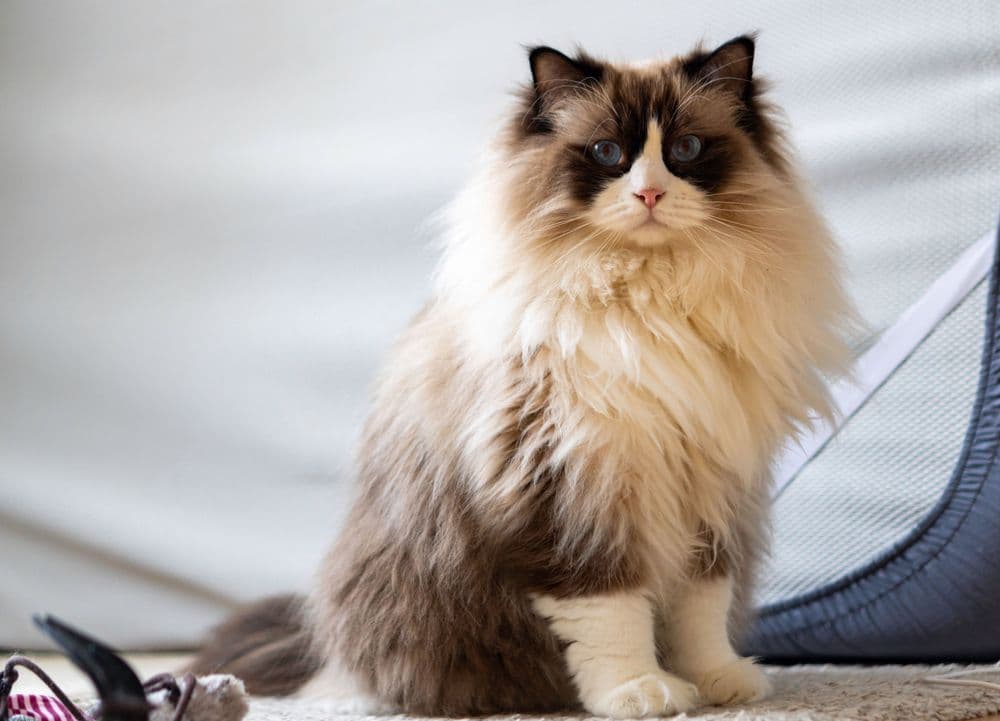
Fluffy Cat Breeds: The Softest Cats and How to Groom Them
Soft, cloud-like cats are irresistible, but all that fluff needs care. Understanding which breeds are the fluffiest and how to groom them keeps coats beautiful and healthy.
Fluffy Cat Breeds: The Softest Coats
Persian
Persians are iconic for their dense, long, silky coats and round faces.
- Their fur mats easily, especially in the armpits, belly, and behind the ears.
- Flat-faced (brachycephalic) Persians may need extra help keeping their eyes and face clean, as tear stains can affect fur quality.
Ragdoll
Ragdolls have semi-long coats that feel plush but are less prone to matting than some other longhaired breeds.
- Their fur is soft and slightly “rabbit-like,” often with a silky texture.
- They usually tolerate handling well, which makes regular grooming easier.
Maine Coon
Maine Coons have a thick, water-resistant double coat with a fluffy ruff and feathery tail.
- Their fur is longer around the neck, belly, and legs, where tangles form first.
- Seasonal shedding is heavy, and grooming needs increase when they “blow” their coat.
Siberian
Siberians sport a triple coat designed for cold climates, combining density with surprising softness.
- Their undercoat thickens in winter and sheds significantly in warmer seasons.
- Despite the volume, their fur often resists matting if brushed consistently.
British Longhair
British Longhairs are plush and teddy bear-like, with a dense, medium-long coat.
- Their fur is more “fluffy” than flowing, giving them a rounded, soft look.
- Regular brushing keeps their coat from compacting and forming hidden knots.
How to Groom Fluffy Cat Breeds
Daily and Weekly Brushing
- Brush longhaired cats at least 3–5 times a week, and daily during shedding seasons.
- Use a wide-tooth comb or slicker brush first to gently detangle surface knots.
- Follow with a fine comb to reach the undercoat and spot small mats early.
- Keep sessions short and calm, rewarding with treats to build positive associations.
Preventing and Treating Mats
- Check friction areas daily, including armpits, chest, belly, inner thighs, and behind ears.
- Gently tease small tangles apart with your fingers before using a comb.
- For stubborn mats, use a mat splitter or seek a professional groomer instead of cutting near the skin.
- Never pull hard on knots, as this hurts the cat and makes grooming stressful.
Bathing and Coat Care
- Bathe fluffy cats only when needed, such as when greasy, soiled, or under veterinary advice.
- Use a cat-safe shampoo and rinse thoroughly to prevent residue that dulls the coat.
- Dry the coat completely with a towel and, if tolerated, a low-heat dryer to avoid chills and new tangles.
- Avoid heavy conditioners that weigh down naturally fluffy coats unless recommended by a professional.
Managing Shedding and Hairballs
- Increase brushing frequency during seasonal sheds to remove loose undercoat.
- Offer hairball-control food or vet-approved pastes if your cat grooms heavily.
- Provide fresh water and a balanced diet rich in omega fatty acids to support coat health.
- Vacuum and launder bedding often to keep loose fur under control in the home.
When to See a Professional Groomer or Vet
- Book professional grooming if your cat develops large mats, resists home grooming, or has mobility issues.
- Request “sanitary trims” and light feathering instead of full shaves to maintain natural coat protection.
- Consult a vet if you notice sudden excessive shedding, bald patches, skin redness, or your cat avoiding grooming.
- Ask for handling and tool recommendations tailored to your cat’s breed, coat type, and temperament.
Conclusion
Fluffy cat breeds like Persians, Ragdolls, Maine Coons, Siberians, and British Longhairs reward consistent grooming with stunning, soft coats. By brushing regularly, catching tangles early, and using the right tools, you keep their fur healthy and your bond strong. If mats or skin issues appear, involve a professional early. A simple routine now means a softer, happier cat for years to come.
 X
X Facebook
 Telegram
 Instagram
 WhatsApp