
Non‑Shedding vs Low‑Shedding Cats: How to Choose the Right Breed
Bringing home a cat when you dislike hair everywhere or worry about allergies can feel confusing. Terms like “non‑shedding” and “low‑shedding” are often used loosely, and marketing claims rarely match reality. Understanding the difference helps you choose a breed that fits your health, lifestyle, and grooming habits.
Non‑Shedding vs Low‑Shedding: What Do These Terms Really Mean?
Many people search for “non‑shedding cats,” but all cats shed to some degree. What you can choose is where and how much hair shows up.
- A non‑shedding cat is a myth, because every cat loses hair and skin flakes as part of normal growth.
- A low‑shedding cat is one that releases significantly less visible hair than the average domestic shorthair.
- Hairless or nearly hairless breeds may leave less fur but can still spread allergens through skin oils and saliva.
- Hypoallergenic cats are usually low‑shedding breeds that produce fewer allergens for some people, but no breed is allergy‑proof.
Key Cat Types: How They Differ in Shedding and Care
Hairless and Nearly Hairless Breeds
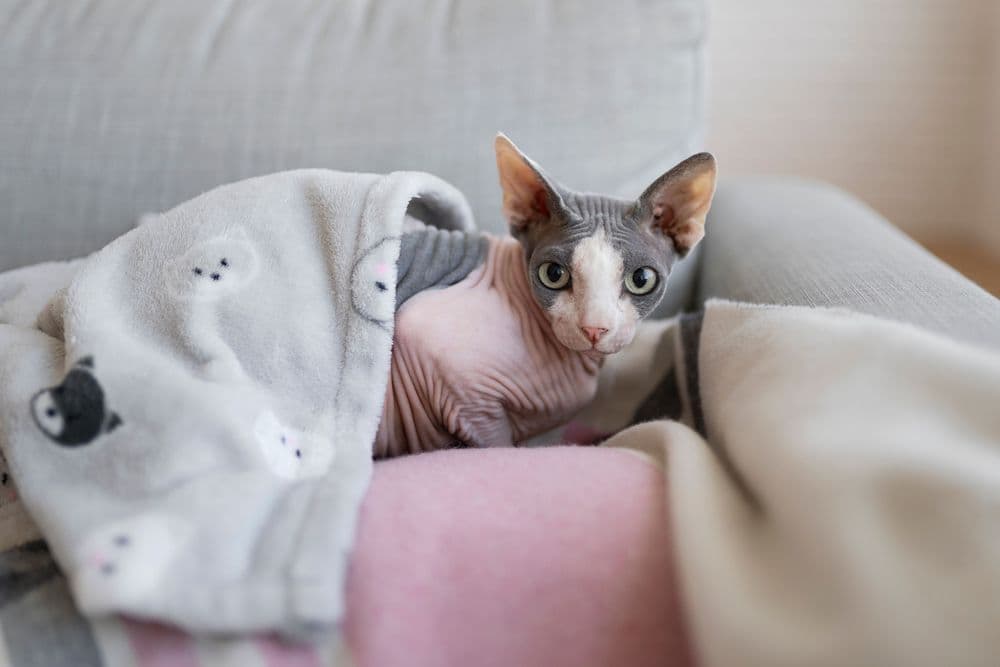
These are often marketed as non‑shedding, yet they mainly trade fur for skin care.
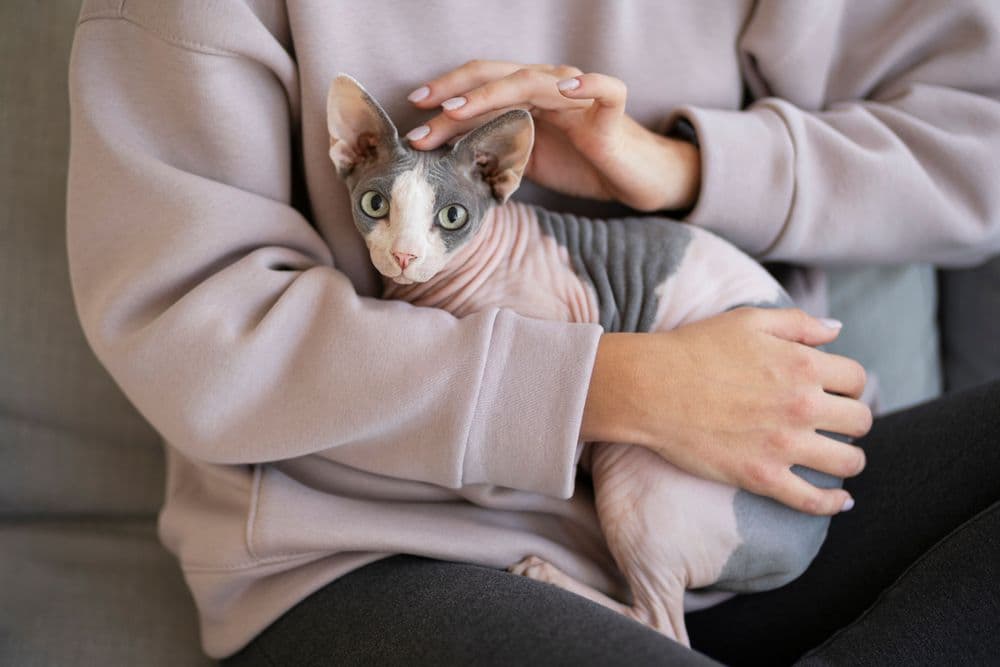
- Sphynx cats have almost no fur, so you see very little hair but must bathe regularly to remove oils and dander.
- Bambino and Peterbald cats are similar to the Sphynx and may have peach‑fuzz coats that still carry allergens.
- These breeds can suit owners who hate vacuuming fur but are not guaranteed safe for people with severe allergies.
Low‑Shedding Coated Breeds
These cats keep most hair on their body when well groomed, though you will still notice some shedding.
- Siberian cats have a thick coat but many allergy sufferers report fewer symptoms, likely due to lower Fel d 1 protein levels.
- Balinese and Javanese cats have fine, silky fur and are often described as “hypoallergenic” despite regular but moderate shedding.
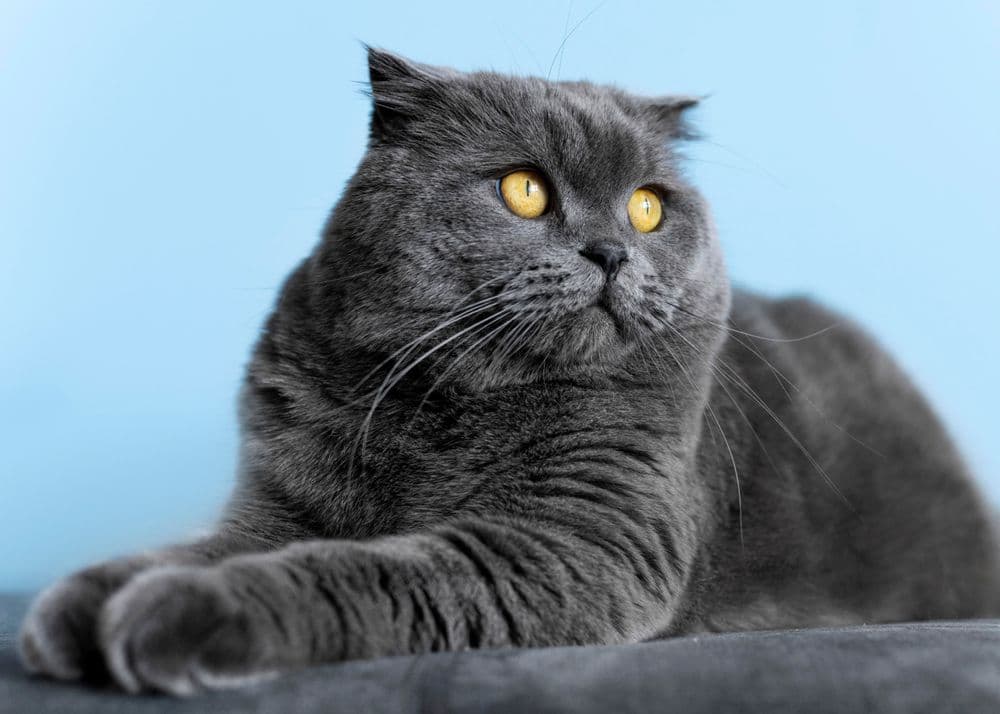
- Russian Blue cats have a dense double coat that sheds modestly when brushed consistently.
- Cornish Rex and Devon Rex cats have soft, wavy coats that lose less hair overall yet still need grooming.
How Allergies Actually Work
Choosing between non‑shedding and low‑shedding breeds matters most if you have allergies, but hair is only part of the story.
- Most cat allergies are triggered by proteins such as Fel d 1 found in saliva, skin, and urine, not just the fur.
- Shedding spreads these proteins around your home, so less hair can mean fewer allergens on surfaces and fabrics.
- Some individuals react far less to certain breeds, but responses vary widely between people.
- Spending time with a specific breed before adoption is the most reliable way to gauge your personal reaction.
Practical Factors to Help You Choose
Once you understand the shedding spectrum, narrow your choice to what fits your daily life.
- Choose a hairless or ultra low‑shedding breed if visible fur is your biggest concern and you are ready for frequent bathing and skin care.
- Choose a low‑shedding coated breed if you prefer regular brushing and occasional vacuuming over managing sensitive skin.
- Consider your climate and comfort because hairless cats need extra warmth and sun protection.
- Assess your time and budget since some low‑shedding or hypoallergenic‑leaning breeds can be expensive and require more grooming or vet checks.
- Combine breed choice with home strategies such as HEPA filters, washable covers, and vacuuming to manage allergens effectively.
Conclusion
There is no truly non‑shedding cat, but there are clear differences between hairless and low‑shedding coated breeds. Focus on how much fur you can tolerate, how sensitive your allergies are, and how much grooming you are willing to commit to. Meet individual cats, test your reactions, and ask breeders or shelters candid questions. With realistic expectations and a bit of planning, you can find a cat whose coat, care, and personality match your home.
 X
X Facebook
 Telegram
 Instagram
 WhatsApp