
Best Indoor Cat Breeds That Don’t Shed and Are Easy to Live With
Choosing an indoor cat that barely sheds and is easy to live with can transform your home life. The right breed means less cleaning, fewer allergies, and a calmer daily routine.
What “Low-Shedding” Indoor Cats Are Really Like
Low-shedding breeds still lose some hair or dander, but they drop far less than fluffy, double-coated cats. Many are also known for stable temperaments, moderate energy, and strong adaptability to apartment living.
When picking an indoor cat that does not shed much, focus on three things:
- The amount and type of coat and dander the breed typically produces.
- How tolerant the breed is of indoor-only life and smaller spaces.
- The breed’s general temperament, noise level, and need for attention.
Best Indoor Cat Breeds That Shed Very Little
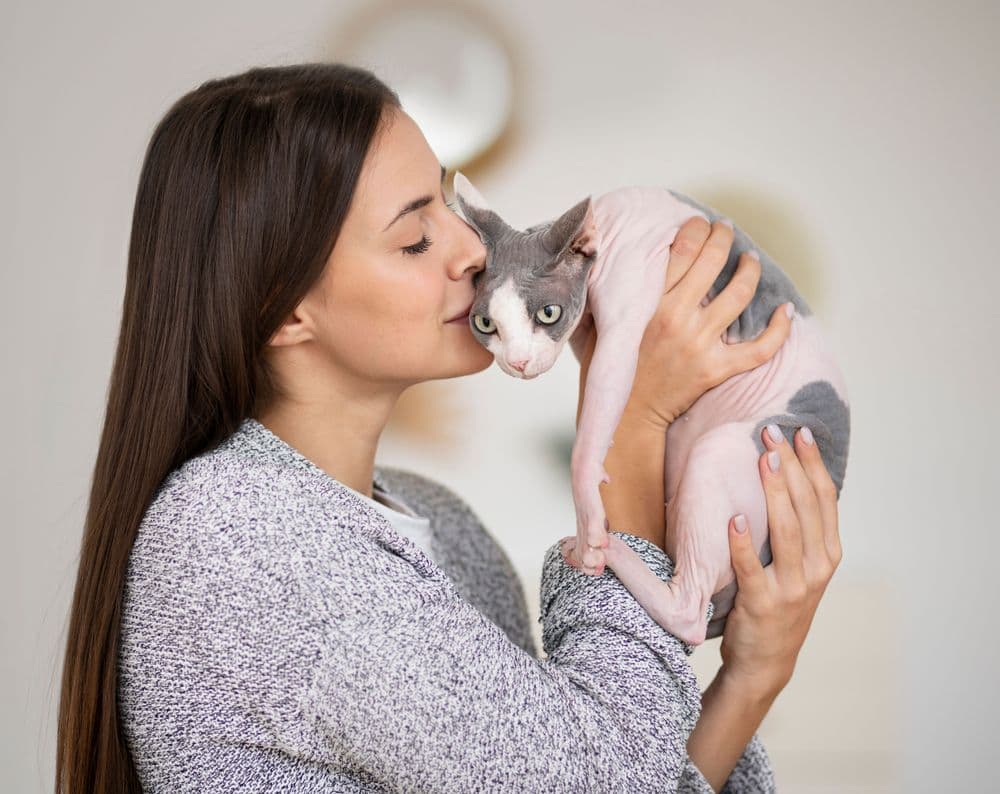
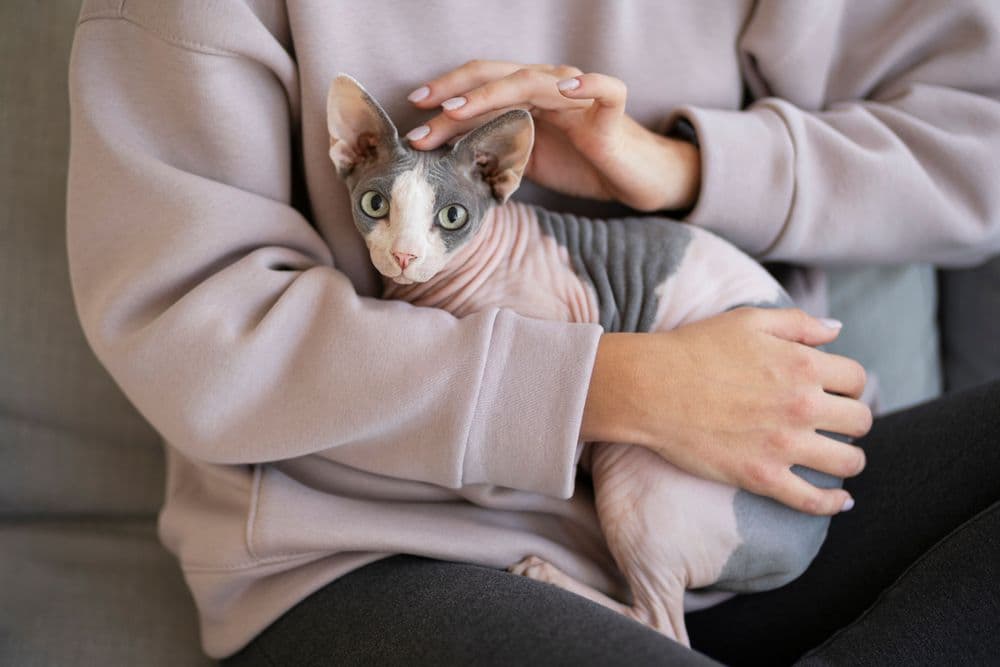
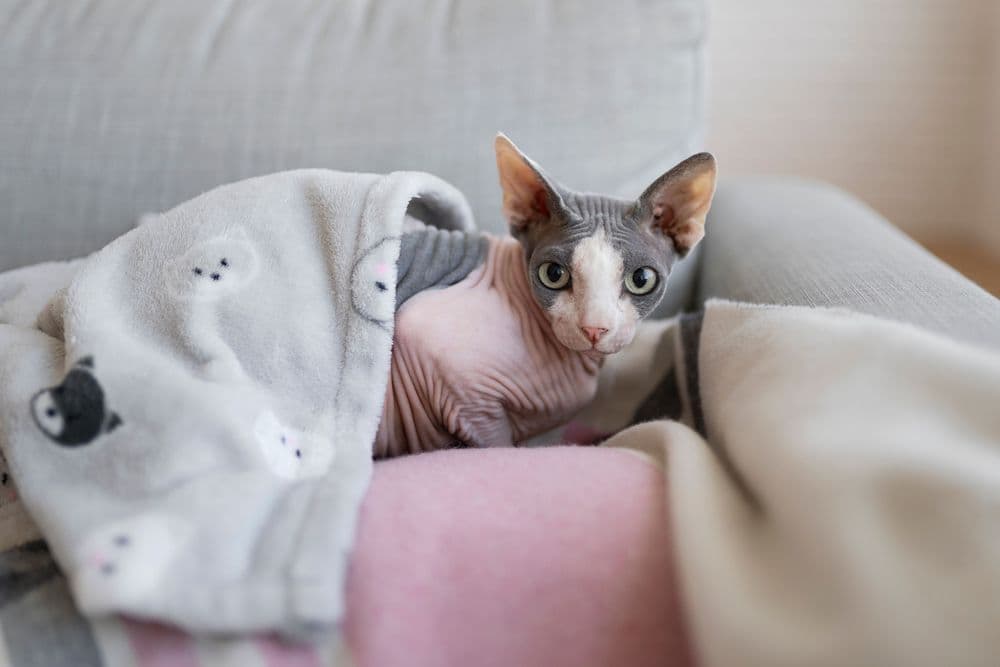
Sphynx
The Sphynx is famous for being nearly hairless and extremely people-oriented.
- This breed has a fine peach-fuzz coat that leaves almost no hair on furniture.
- Sphynx cats are highly social and prefer being around people or other pets.
- They do best with regular interactive play and warm, cozy spots indoors.
- Owners must commit to weekly skin care because oils are not absorbed by fur.
Devon Rex
The Devon Rex has a short, wavy coat that sheds much less than typical cats.
- Its soft, curly fur clings to the body, which helps minimize visible shedding.
- Devons are playful, affectionate, and adapt well to apartments and busy homes.
- They enjoy being close to their humans but are usually not overly demanding.
- Light brushing with a gentle hand is usually enough to manage loose hair.
Cornish Rex
The Cornish Rex has only a soft undercoat, which makes grooming simple.
- This breed’s tight curls and lack of guard hairs greatly reduce visible shedding.
- Cornish Rex cats are active, curious, and enjoy climbing and puzzle toys.
- They thrive as indoor cats when given vertical spaces and daily play.
- Their friendly nature and short coat make them easy to live with and clean up after.
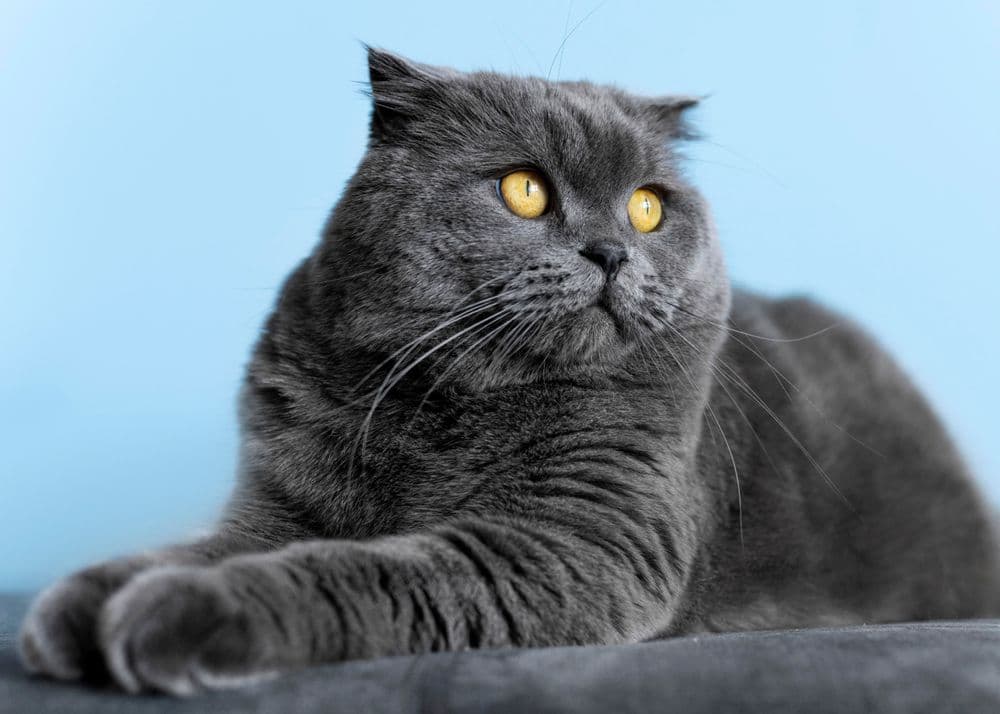
Russian Blue
The Russian Blue is not shed-free, but it is a well-known low-shedding option.
- Its dense, short coat tends to trap loose hairs, so fewer end up on surfaces.
- Many allergy sufferers find this breed more tolerable, though results vary.
- Russian Blues are quiet, gentle, and often bond deeply with one or two people.
- They are content as indoor cats as long as they have routine, toys, and hideaways.
Bengal (Early-Generation House Companion)
The Bengal’s sleek pelt-like coat tends to shed less than many domestic breeds.
- Their fur feels similar to a wildcat’s pelt and often leaves minimal loose hair.
- Bengals are energetic and intelligent, requiring more engagement than most.
- They can be excellent indoor cats if given cat trees, puzzle feeders, and playtime.
- They suit active households that want a striking, low-shedding but lively companion.
Tips for Living Comfortably With Low-Shedding Indoor Cats
- Regular brushing or wiping, even with low-shedding cats, keeps hair and dander down.
- Vacuuming soft surfaces and using washable throws further reduces allergens.
- Daily interactive play helps indoor cats stay calm, fit, and behaviorally stable.
- Stable routines, safe hiding spots, and vertical spaces keep indoor-only cats content.
- Health checks and proper diet support coat condition and minimize excess shedding.
Conclusion
Low-shedding indoor cat breeds can give you the joy of feline company with far less mess. Sphynx, Devon Rex, Cornish Rex, Russian Blue, and Bengal each offer a different balance of energy, appearance, and maintenance. Match the breed’s activity level and social needs to your lifestyle, then prepare your home with vertical spaces and daily play. With the right fit, you can enjoy a clean, calm, and deeply rewarding indoor cat relationship.
 X
X Facebook
 Telegram
 Instagram
 WhatsApp