
Types of Cats Explained for Beginners: Common and Rare Breeds
Choosing a cat is easier when you understand the main types of breeds and what makes each one unique. This beginner-friendly guide walks you through popular and rare cats so you can find a good match for your home and lifestyle.
What “Type of Cat” Really Means
When people say “type of cat,” they usually mean one of three things:
- Breed is a group of cats with predictable appearance and temperament, such as Persian or Siamese.
- Coat type is the general look and feel of the fur, such as shorthair, longhair, or hairless.
- Pedigree status is whether a cat has registered ancestry or is a mixed-breed domestic cat.
Knowing these basics helps you compare cats realistically instead of relying on just looks or social media trends.
Common Cat Breeds for Beginners
These breeds are easy to find and often well-suited to first-time cat parents.
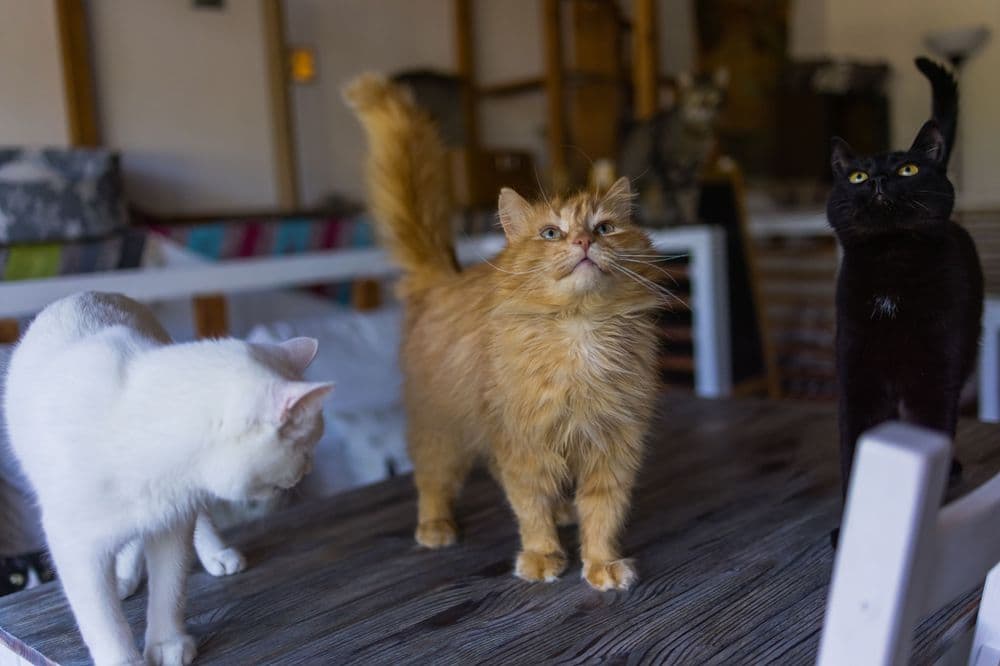
Domestic Shorthair and Domestic Longhair
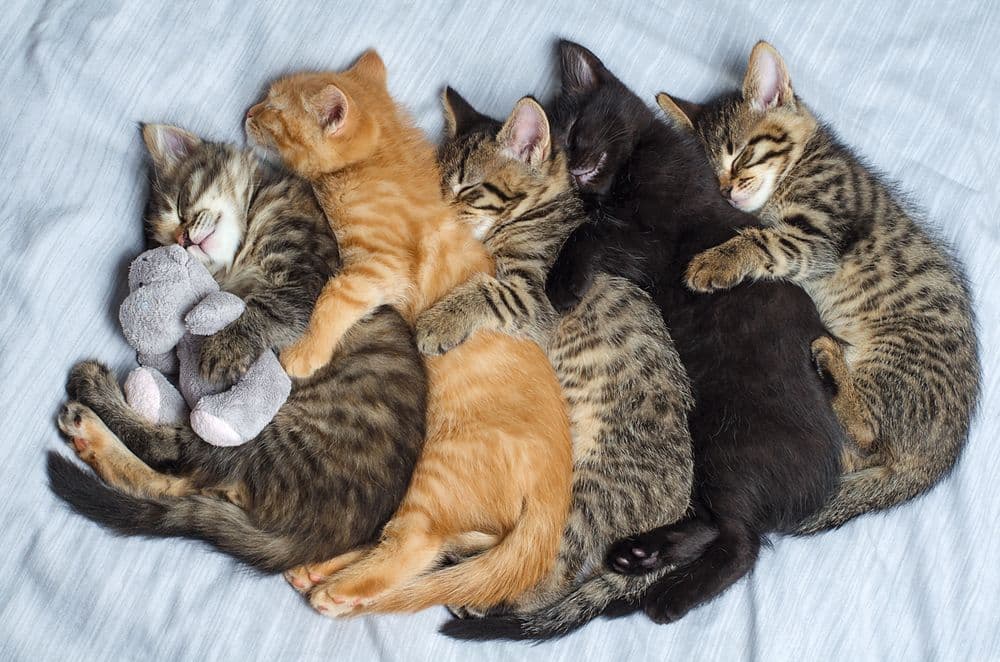
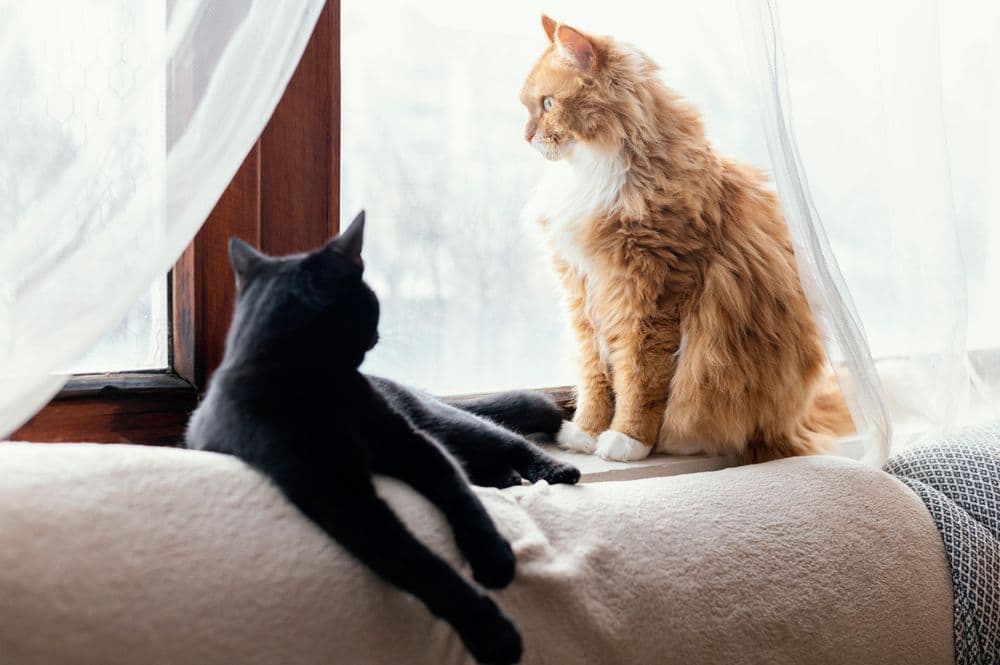
- Domestic shorthairs and longhairs are mixed-breed cats with no formal pedigree but lots of genetic diversity.
- They are typically healthy, available in shelters everywhere, and come in almost every color and pattern.
- Their personalities vary, but many are adaptable, affectionate, and low-fuss compared with some purebreds.
British Shorthair
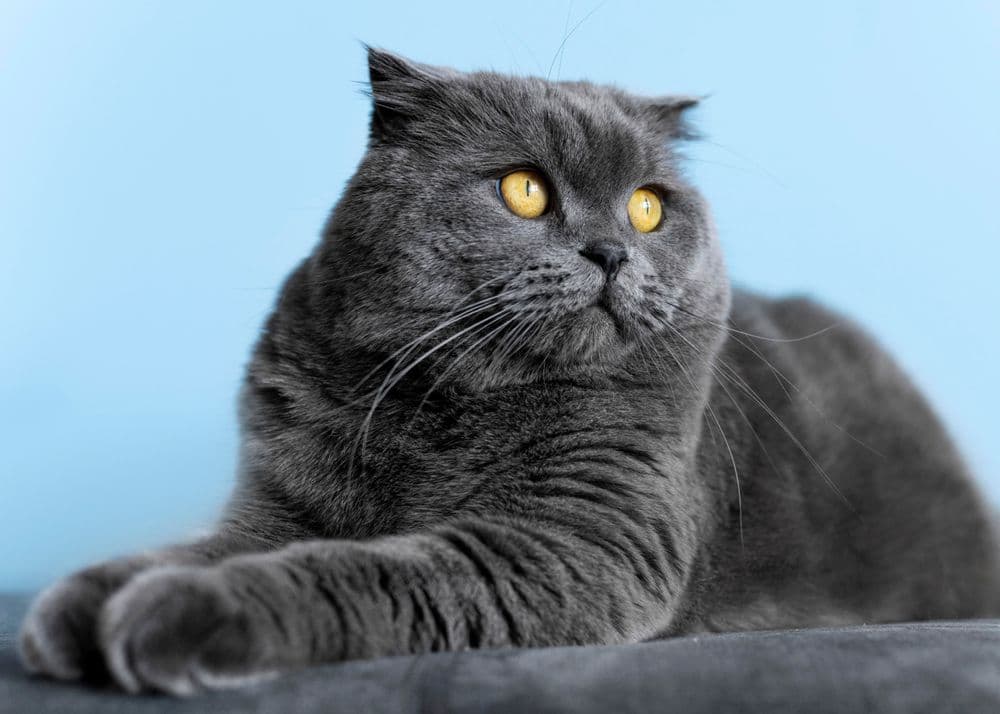
- The British Shorthair is a sturdy, calm cat with a plush coat and round face.
- This breed is usually quiet, gentle, and tolerant, making it good for apartments and relaxed households.
- Their dense coat needs regular brushing, and they can be prone to weight gain if under-exercised.
Persian and Exotic Shorthair
- Persians have long, luxurious coats and flat faces, while Exotic Shorthairs are the shorter-haired version with similar looks.
- These cats are typically sweet, laid-back, and content with a calm, indoor lifestyle.
- They may need extra grooming and vet care because flat faces can cause eye and breathing issues.
Siamese and Related Breeds
- Siamese cats are slim, vocal, and social, often forming strong bonds with their people.
- They tend to be intelligent, interactive, and energetic, which suits engaged owners who like “talkative” pets.
- Related breeds such as the Oriental Shorthair and Balinese share similar body types but different coat lengths or patterns.
Rare and Distinctive Cat Breeds
Rare breeds are intriguing but may require more specialized care or careful sourcing.
Maine Coon
- The Maine Coon is a large, semi-longhaired cat known for a friendly, dog-like personality.
- They are playful, confident, and often enjoy interactive games and climbing.
- Their thick coat needs routine grooming, and their size means sturdier scratching posts and larger carriers.
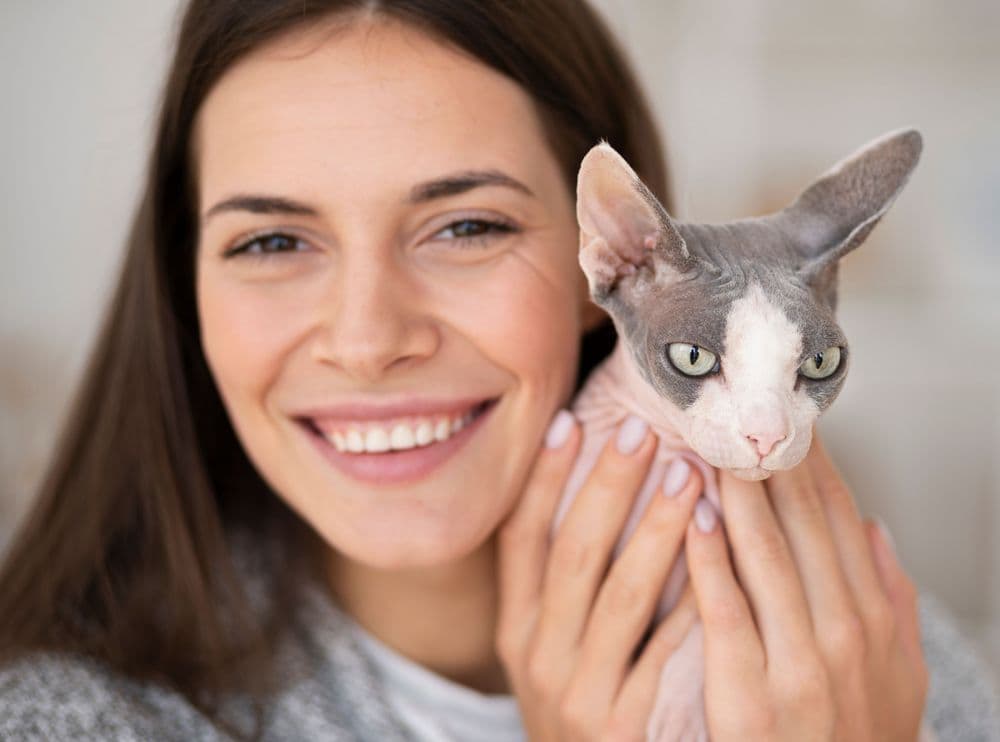
Sphynx and Other Hairless or Curly Cats
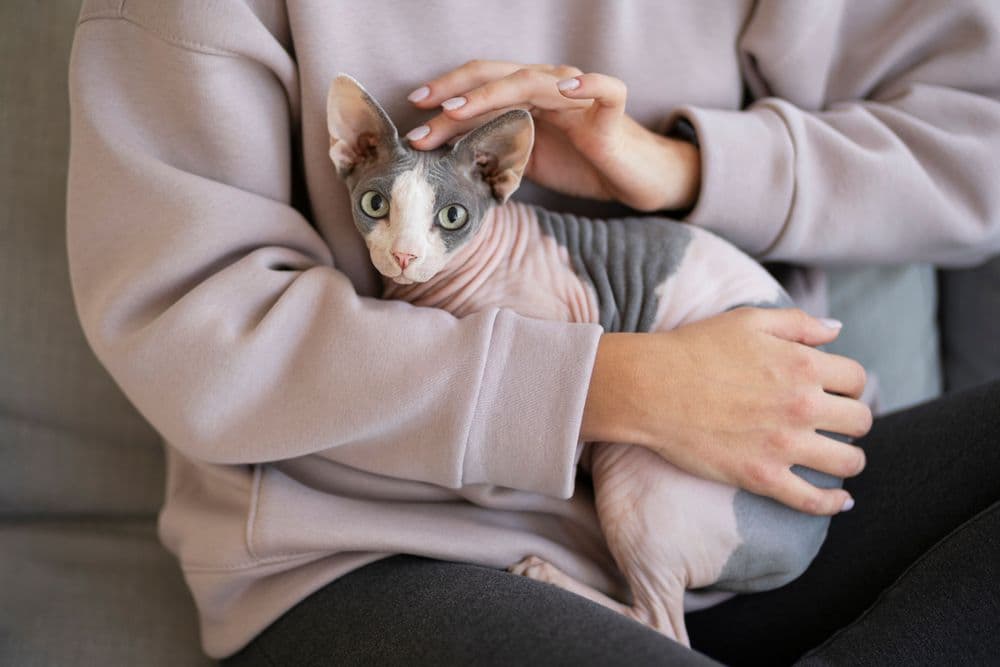
- The Sphynx is a mostly hairless breed that feels warm and velvety to the touch.
- Hairless cats need regular skin cleaning and protection from sun and cold rather than traditional brushing.
- Curly-coated breeds like the Devon Rex and Cornish Rex shed less but still need gentle grooming and warmth.
Bengal and Other “Wild-Looking” Breeds
- Bengals are domestic cats bred to look wild, with striking spots or marbling.
- They are very active, intelligent, and sometimes demanding, thriving in homes that offer lots of play and enrichment.
- Without enough stimulation, these cats can become bored and destructive, so they suit experienced or highly engaged owners.
Ragdoll
- The Ragdoll is a large, blue-eyed cat known for a relaxed, floppy posture when picked up.
- They are typically affectionate, people-oriented, and comfortable staying indoors.
- Their semi-long coat is silky and easier to manage than a Persian’s but still benefits from weekly brushing.
How to Choose the Right Type of Cat
- Start with your lifestyle and energy level rather than just the appearance of the breed.
- Consider grooming commitment, vocalness, activity level, and how much time you can spend interacting each day.
- Visit shelters and reputable breeders to meet real cats, since individual temperament can differ from the breed stereotype.
- Think long-term about health, as some flat-faced or extreme-type breeds may have higher vet needs.
Conclusion
Understanding common and rare cat breeds helps you move beyond looks and focus on temperament, care needs, and lifestyle fit. Use breed traits as a guide, then meet individual cats to see how their real personalities compare. Whether you choose a mixed-breed domestic shorthair or a rare purebred, an informed choice sets you and your future cat up for a happier life together.
 X
X Facebook
 Telegram
 Instagram
 WhatsApp