
Hypoallergenic Cat Breeds: Types, Myths and Care Tips
Finding a cat when you have allergies can feel impossible, but “hypoallergenic” breeds may help some people live more comfortably with a feline companion. Understanding what hypoallergenic really means, which breeds are often better tolerated, and how to manage allergens at home is essential.
What “Hypoallergenic” Really Means
Hypoallergenic cats do not mean allergy-free cats. Instead, they usually produce or spread fewer allergens.
Most people react to Fel d 1, a protein found mainly in cat saliva, skin, and sebaceous glands. When cats groom, the protein dries on fur and skin flakes, then becomes airborne and settles on surfaces.
Key points to remember:
- No cat breed is completely non-allergenic for everyone.
- Reactions depend on your individual sensitivity and the specific cat.
- Managing allergens in the home matters as much as breed choice.
Common Hypoallergenic Cat Breeds
These breeds are frequently reported as better tolerated by some allergy sufferers, though individual results vary.
Siberian
The Siberian is often cited for naturally lower levels of Fel d 1 in many, but not all, individuals.
- Many allergy sufferers report milder reactions to Siberians.
- Their thick coat still sheds, so grooming and cleaning are important.
- Testing your reaction with the specific cat is crucial before adoption.
Balinese
Balinese cats are sometimes called “long-haired Siamese” and are believed to produce less Fel d 1 than many other breeds.
- Their single, silky coat sheds less than many long-haired breeds.
- They still require regular brushing to control loose hair and dander.
- Sensitive people should spend extended time with a Balinese before committing.
Devon Rex and Cornish Rex
These curly-coated breeds have very short, fine fur.
- Their coats shed less hair, which may reduce allergen spread in the home.
- Less shedding does not mean fewer allergens are produced.
- Regular gentle baths and wiping can help reduce allergen buildup on the coat.
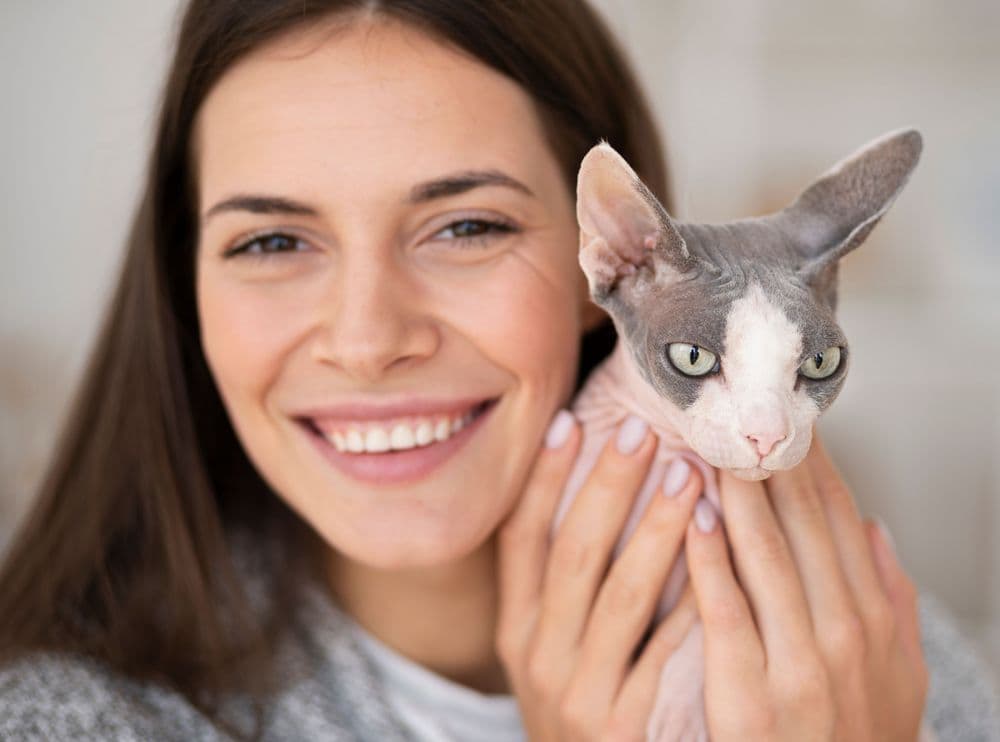
Sphynx
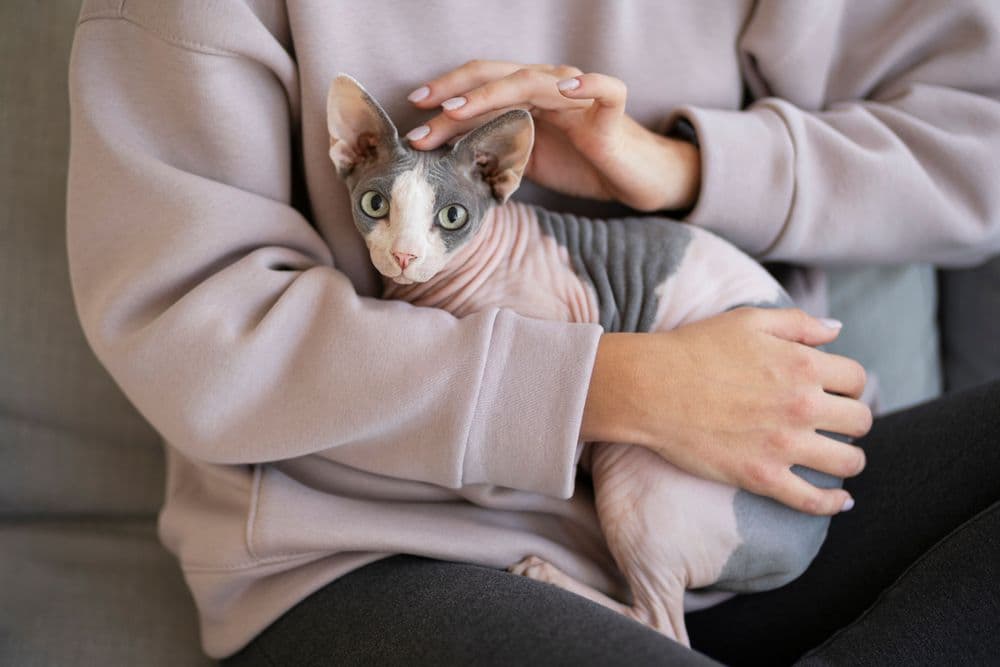
The Sphynx is almost hairless, which can mislead people into assuming it is allergy-proof.
- Lack of fur means less allergen carried on shed hair and floating around.
- The skin still produces allergenic proteins and oil that build up quickly.
- Frequent bathing and cleaning bedding and blankets are essential.
Myths About Hypoallergenic Cats
Understanding myths helps set realistic expectations and prevents disappointment.
- The myth that any cat breed is 100% hypoallergenic is false for all cats.
- The myth that hair length alone determines allergies is misleading because the allergen is a protein, not the fur itself.
- The myth that hairless cats never trigger allergies is untrue, as their skin and saliva still contain Fel d 1.
- The myth that one hypoallergenic breed works for everyone is inaccurate because allergic thresholds and triggers vary widely by person.
Practical Care Tips to Reduce Cat Allergies
Even with a hypoallergenic breed, daily habits make a major difference.
- You should wash your hands and face after petting or playing with your cat.
- You should keep the cat out of the bedroom to maintain at least one low-allergen space.
- You should use HEPA air purifiers in main living areas to capture airborne dander.
- You should vacuum carpets and upholstery frequently with a HEPA-filter vacuum.
- You should wash cat bedding, blankets, and soft toys in hot water every one to two weeks.
- You should ask a non-allergic person to brush and, if needed, bathe the cat regularly.
- You should discuss allergy medications or immunotherapy with an allergist if you plan to live with a cat.
- You should spend several hours over multiple visits with a specific cat before adoption to test your personal reaction.
Conclusion
Hypoallergenic cat breeds can make life with allergies more manageable, but they are not a guaranteed cure. Realistic expectations, thoughtful breed selection, and consistent home care are all needed to keep symptoms in check. Always test your reaction to an individual cat and consult an allergist when in doubt. With the right approach, many people can enjoy living with a cat while keeping allergies at a tolerable level.
 X
X Facebook
 Telegram
 Instagram
 WhatsApp