
Short Hair vs Long Hair Cat Breeds: Which Is Right for You?
Choosing between short hair and long hair cat breeds shapes your daily routine, your home’s cleanliness, and even how you bond with your pet. Understanding the real-world differences helps you pick a cat that fits your lifestyle, not just your aesthetic taste.
Key Differences Between Short Hair and Long Hair Cats
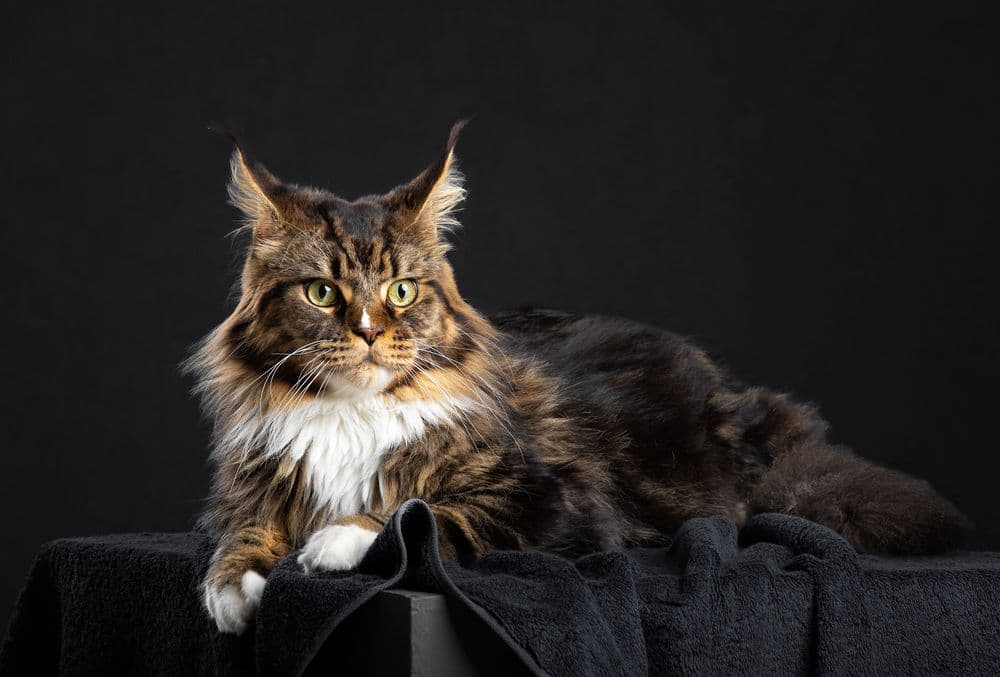
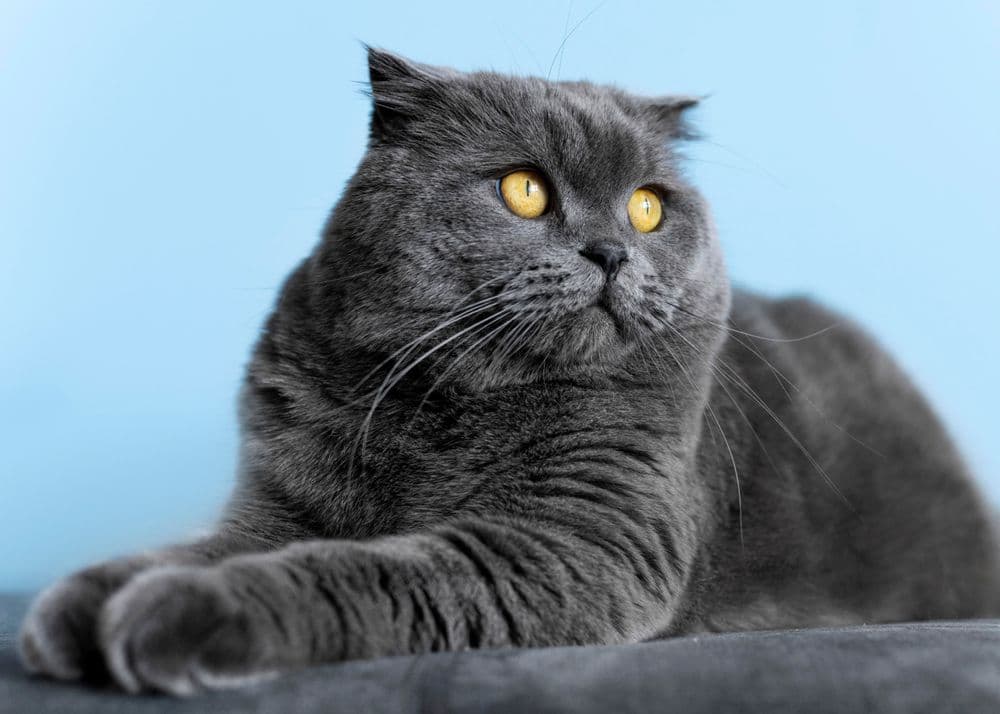
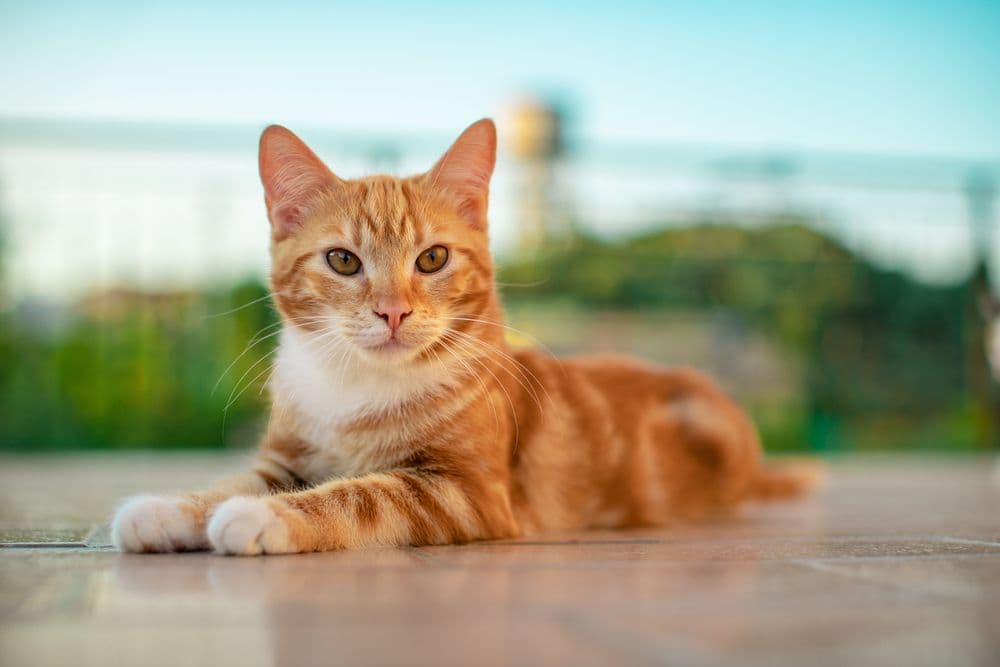
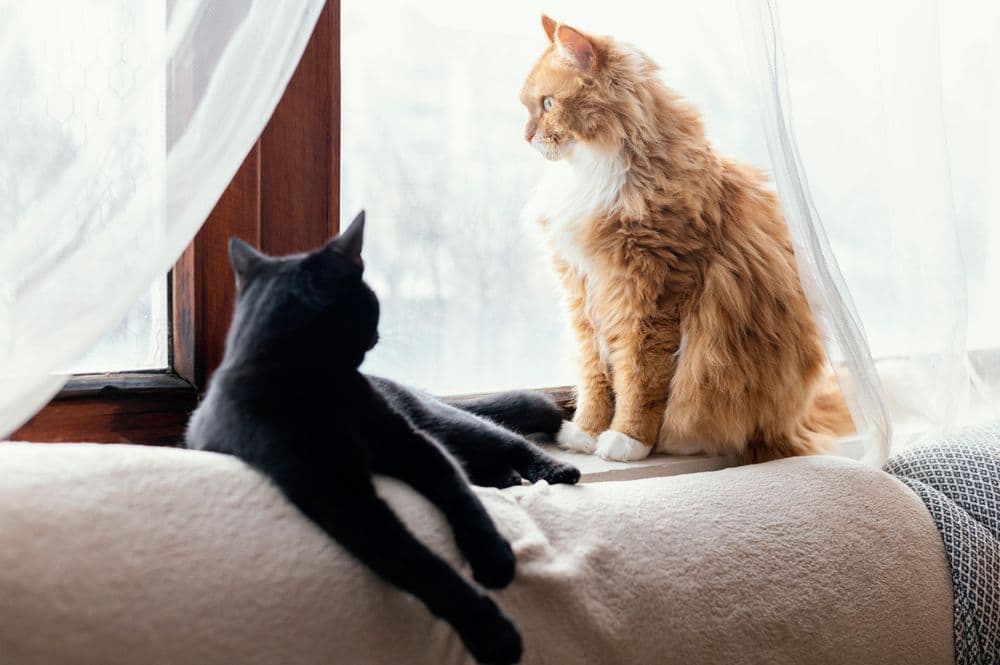
Short hair cat breeds have dense, smooth coats that lie close to the body, while long hair breeds have visibly longer, often layered fur with a softer, fluffier appearance.
- Short hair coats are quicker to dry and stay cleaner more easily in everyday living.
- Long hair coats show off dramatic fluff, plumes, and ruffs that many owners find visually striking.
- Short haired cats often feel sleek and muscular to the touch.
- Long haired cats often feel plush and luxurious, with fur that moves and flows when they walk.
- Short hair breeds come in a wide variety of patterns and colors that are easy to distinguish on the coat.
- Long hair breeds can visually soften patterns and colors, giving a more blended, cloud-like look.
Grooming, Shedding, and Home Maintenance
Daily grooming needs are where short hair vs long hair cat breeds differ the most in practice.
- Most short hair cats need brushing once or twice a week to remove loose hair and reduce shedding.
- Many long hair cats need brushing at least every other day, and some benefit from daily sessions.
- Short hair coats are less likely to mat, so missed grooming sessions rarely cause serious coat problems.
- Long hair coats can develop painful mats and tangles if grooming is neglected even for a short period.
- Short hair cats shed, but hair is shorter and often less visibly dramatic on furniture and clothing.
- Long hair cats may shed seasonally in big waves, leaving tufts of fur that are more noticeable around the home.
- Short hair breeds rarely need professional grooming unless there are medical issues.
- Long hair breeds sometimes benefit from professional grooming to trim problem areas and manage mats.
- Short hair cats are generally easier to wipe clean if they get into messes or have minor accidents.
- Long hair cats can track litter, dirt, or debris in their fur, especially on the paws, belly, and rear end.
Health, Comfort, and Environment
Coat length also interacts with climate, health, and your living space.
- Short hair cats often stay cooler in hot climates and may be more comfortable without heavy air conditioning.
- Long hair cats may appreciate cooler environments and can be more comfortable in homes that avoid high heat and humidity.
- Short hair coats make it easier to spot skin issues, parasites, or injuries early.
- Long hair coats can hide early signs of skin irritation or weight loss under dense fur.
- Short hair cats usually tolerate moderate self-grooming without hairball problems in healthy individuals.
- Long hair cats are more prone to hairballs because they ingest more fur while grooming themselves.
- Short hair breeds can be a bit easier for people with mild cat allergies, though no cat is truly hypoallergenic.
- Long hair breeds may spread more allergen-laden fur around the home, which can aggravate allergies.
- Short hair cats adapt well to small apartments where frequent vacuuming manages visible hair.
- Long hair cats may require more consistent cleaning routines, lint rollers, and air filtration in any sized home.
Lifestyle Fit and Owner Personality
Your schedule, preferences, and tolerance for grooming should guide your choice.
- Short hair cats suit busy owners who want low-maintenance coats without skipping basic care.
- Long hair cats suit owners who enjoy grooming as a daily bonding ritual and have time for it.
- Short hair breeds are a practical choice for first-time cat owners learning basic cat care.
- Long hair breeds work best for people already comfortable with pet grooming tools and routines.
- Short hair cats fit households where kids or roommates may not reliably help with grooming.
- Long hair cats fit best in homes where at least one adult takes clear responsibility for coat care.
- Short hair cats are ideal if you value a tidy look with minimal visible fur on clothes and furniture.
- Long hair cats are ideal if you love the glamorous “show cat” look and do not mind extra cleaning.
- Short hair breeds often work well for people who travel frequently and rely on pet sitters.
- Long hair breeds work better when sitters are willing and able to brush and check the coat regularly.
Which Is Right for You?
Balancing your preferences with your capacity for care is the heart of this decision.
- Choose short hair cat breeds if you want a simpler grooming routine and less visible shedding.
- Choose long hair cat breeds if you are drawn to fluffy coats and can commit to frequent brushing.
- Choose short hair if you live in a hot climate or share your home with people who have mild allergies.
- Choose long hair if you enjoy hands-on interaction and see grooming as relaxing, not a chore.
- Choose short hair if cleaning time is limited and you prefer practical, easy-care pets.
- Choose long hair if you prioritize appearance and do not mind investing extra effort and possibly grooming costs.
Conclusion
Short hair vs long hair cat breeds is less about which is better and more about which suits your daily life. Match coat type to your time, climate, and cleaning tolerance. If you want effortless care, short hair breeds are usually the better fit. If you crave luxurious fluff and enjoy grooming, a long hair cat can be deeply rewarding. Choose with your lifestyle in mind and both you and your future cat will be more comfortable and content.
 X
X Facebook
 Telegram
 Instagram
 WhatsApp