
Popular House Cat Breeds and Their Key Traits Explained
Choosing a house cat is easier when you understand how different breeds live, play, and bond with people. Below is a focused guide to popular house cat breeds and the traits that matter most in everyday home life.
Affectionate Family-Friendly Breeds
Ragdoll
Ragdolls are known for their relaxed, “floppy” bodies when held and their calm, sweet nature.
- This breed typically enjoys being carried, cuddled, and following people from room to room.
- Ragdolls are usually gentle with children and other pets, making them strong family cats.
- Their semi-long coat sheds but tangles less than many longhairs, needing regular but manageable brushing.
British Shorthair
British Shorthairs are sturdy, quiet companions with plush, dense coats.
- They tend to be calm and undemanding, enjoying presence more than constant handling.
- This breed is usually affectionate yet reserved, ideal for people who like a laid-back cat.
- Their short coat is low-maintenance but benefits from weekly brushing to reduce shedding.
Scottish Fold
Scottish Folds are famous for their folded ears and round, expressive faces.
- They are typically people-oriented, gentle, and adaptable to indoor living.
- Many prefer moderate playtime and then long stretches of relaxed lounging near their humans.
- Their coat can be short or long, with both types needing routine grooming and regular health checks for joints.
Playful and Social Breeds
Maine Coon
Maine Coons are one of the largest popular house cat breeds with a friendly, dog-like reputation.
- They usually enjoy interactive play and can be quite vocal with chirps and trills.
- Despite their size, they are typically gentle, social, and patient with families.
- Their long, shaggy coat needs consistent brushing to prevent mats and control shedding.
Bengal
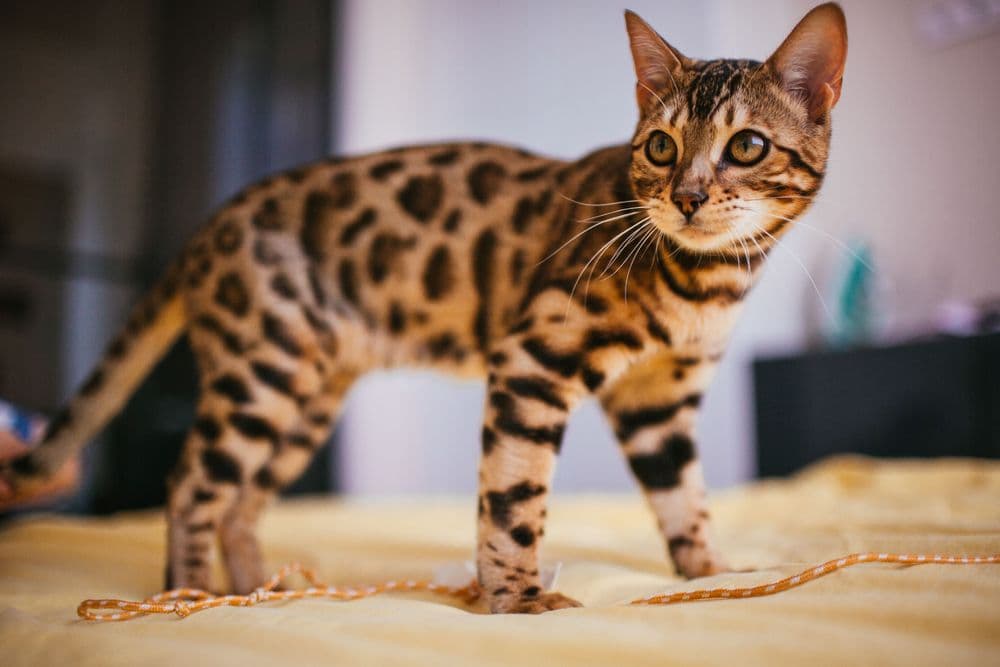
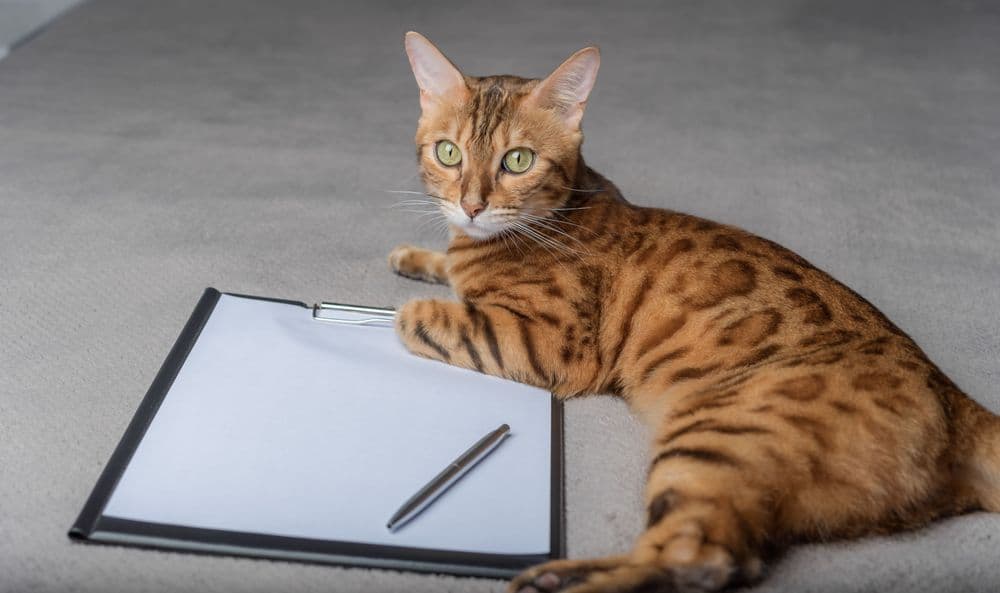
Bengals have a striking wild look with spotted or marbled coats and high energy.
- They thrive on active play, puzzle toys, and climbing opportunities around the home.
- Bengals are often very interactive with people and can be demanding of time and stimulation.
- Their short coat is easy to maintain, but their busy personality requires daily enrichment.
Siamese
Siamese cats are talkative extroverts with sleek bodies and striking blue eyes.
- They tend to form strong bonds with one or two people and may follow them everywhere.
- This breed craves interaction, play, and conversation, often “telling” you what they think.
- Their short coat is low-shedding and simple to groom, though their social needs are high.
Calm Companions for Quiet Homes
Russian Blue
Russian Blues are elegant cats with dense blue-gray coats and vivid green eyes.
- They are usually shy with strangers but deeply loyal and affectionate with their families.
- This breed often prefers a predictable, calm environment over noisy households.
- Their double coat sheds in cycles and benefits from gentle brushing a few times a week.
Persian
Persians are iconic long-haired cats with flat faces and a very calm demeanor.
- They generally enjoy a peaceful, slow-paced indoor life and short play sessions.
- Persians can be affectionate lap cats but rarely demand non-stop attention.
- Their long, thick coat requires daily grooming and regular eye and face cleaning.
American Shorthair
American Shorthairs are adaptable, sturdy cats well suited to a range of homes.
- They are often moderately active, enjoying play without constant hyperactivity.
- Their temperament is typically balanced, friendly, and easygoing with children and pets.
- Their short coat is simple to maintain, needing only occasional brushing.
Key Traits to Weigh Before You Choose
- Consider energy level so you match an active or calm breed with your lifestyle and time for play.
- Check grooming needs so you are realistic about brushing, shedding, and coat care.
- Look at social demands so you choose a cat whose need for attention fits your schedule.
- Note common health concerns for each breed and budget for preventive veterinary care.
- Visit or meet cats in person when possible so you see how an individual cat’s personality feels in real life.
Conclusion
Popular house cat breeds vary widely in energy, affection, and grooming needs, so the “best” breed depends on your daily life. Focus on temperament, maintenance, and health more than looks alone. When you pick a breed that fits your routine and preferences, you set up a happier home for both you and your cat. Take time to research, meet different breeds, and choose the indoor companion who feels like a natural match.
 X
X Facebook
 Telegram
 Instagram
 WhatsApp