

Learn About Cats: Fun Facts, Breeds, Traits and Care Basics
Cats fascinate people with their mix of independence, affection and mystery. Understanding their traits, breeds and care basics helps you build a happier, safer bond.
Fun Facts About Cats
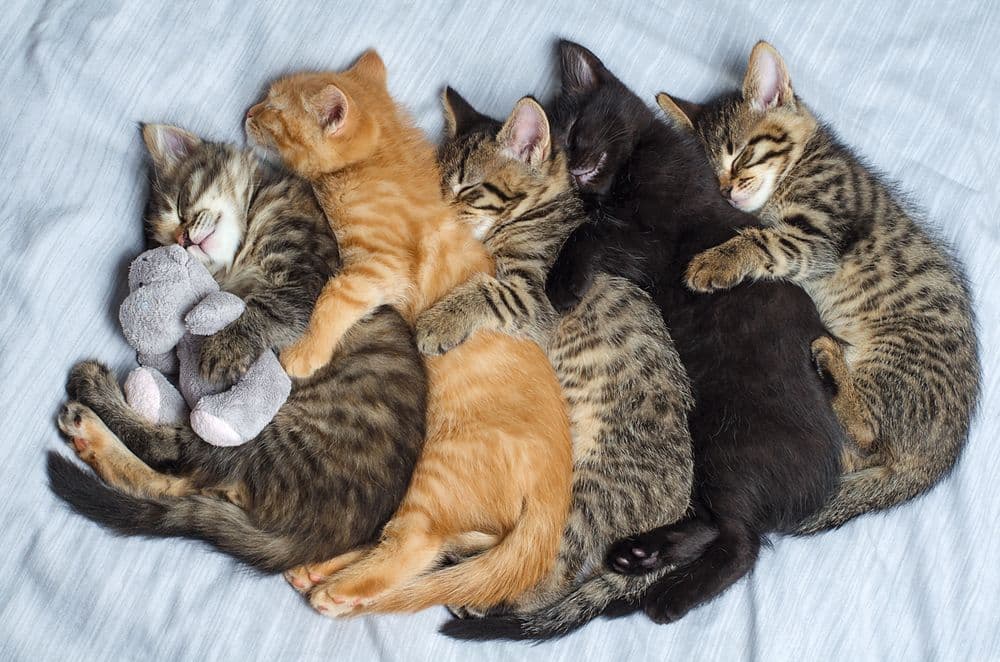
- Most cats sleep 12–16 hours a day, conserving energy for short bursts of intense activity.
- Cats walk on their toes and their back paws step almost exactly where their front paws did to move quietly and precisely.
- A cat’s nose print is unique, similar to a human fingerprint in its pattern of ridges and bumps.
- Cats communicate with humans more through meows than with other cats, which mainly use scent and body language.
- Whiskers are highly sensitive touch sensors that help cats judge gaps, navigate in low light and detect nearby movement.
- Many cats can rotate their ears about 180 degrees to pinpoint tiny sounds such as insects or distant footsteps.
- A cat’s purr can signal contentment, but cats may also purr when stressed or in pain as self-soothing.
- Most cats show a strong preference for using either their left or right paw, much like human handedness.
Popular Cat Breeds and Their Traits
Shorthaired Companions
- Domestic Shorthair cats are mixed-breed cats with short coats, varied looks and generally robust health.
- American Shorthair cats are sturdy, easygoing and often enjoy interactive play without being overly demanding.
- British Shorthair cats are calm, plush-coated cats known for their round faces and relatively laid-back attitude.
Longhaired Beauties
- Domestic Longhair cats have diverse ancestry, full coats and typically need regular brushing to prevent mats.
- Persian cats are gentle and quiet, with flat faces and long fur that require daily grooming and regular eye care.
- Maine Coon cats are large, friendly and playful, often enjoying human company and tolerating children and other pets.
Active and Talkative Types
- Siamese cats are vocal, people-focused and active, thriving on attention and mental stimulation.
- Bengal cats are energetic, athletic and curious, needing plenty of playtime and climbing opportunities.
- Abyssinian cats are lively explorers who enjoy interactive toys, puzzle feeders and vertical spaces.
Key Cat Traits and Body Language
- Cats are territorial animals who feel safer when they have hiding spots, high perches and predictable routines.
- Slow blinking at a cat and receiving slow blinks back often indicates trust and relaxed affection.
- An upright tail that softly curls at the tip usually signals a confident, friendly cat ready to interact.
- A fluffed-up tail and arched back typically show fear or high arousal, so the cat should be given space.
- Ears turned sideways or flattened, combined with a twitching tail, often mean the cat is irritated or overstimulated.
- Kneading with the paws is a comforting behavior linked to kittenhood and usually appears when a cat feels secure.
- Sudden bites or swats during petting commonly signal that the cat is overstimulated and needs a break.
Cat Care Basics for a Healthy, Happy Pet
- Feed a balanced, species-appropriate diet and ask your vet to recommend portions based on age, weight and activity.
- Provide fresh water at all times and consider a cat fountain if your cat prefers moving water.
- Schedule regular veterinary checkups and vaccinations and discuss parasite prevention for fleas, ticks and worms.
- Keep the litter box clean by scooping daily and fully changing litter and washing the box regularly.
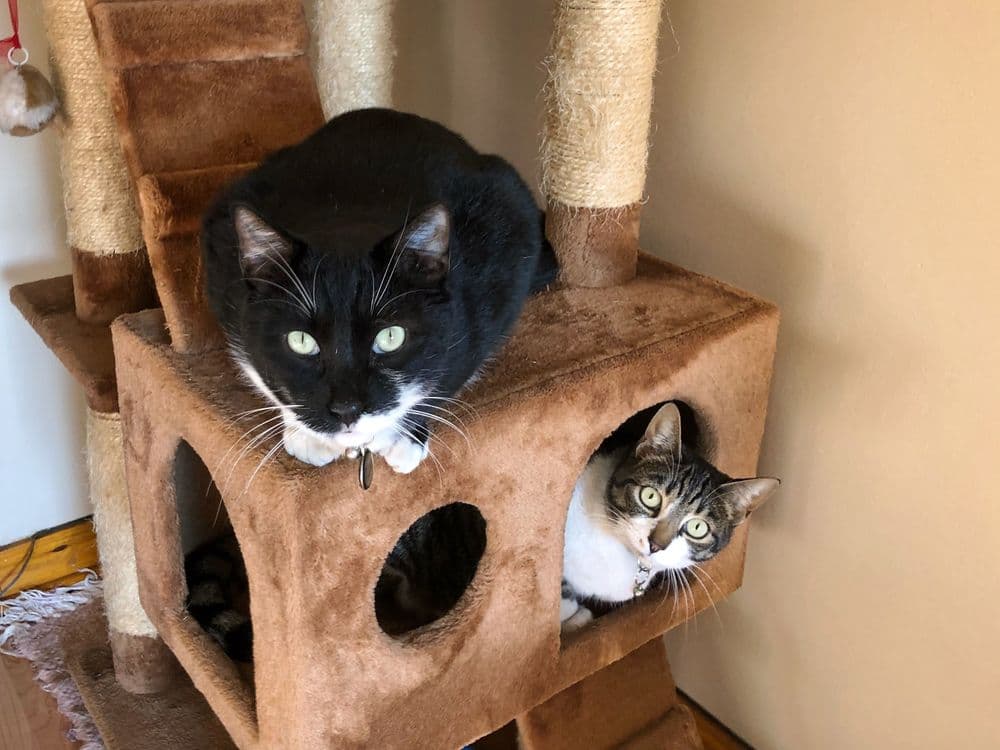
- Offer vertical spaces such as shelves, cat trees or window perches so your cat can climb and observe safely.
- Provide scratching posts in key areas to protect furniture and allow natural scratching behavior.
- Play with your cat daily using wand toys, balls or treat puzzles to burn energy and reduce boredom.
- Keep your cat indoors or provide secure outdoor access like a catio to reduce risks from cars, predators and disease.
- Groom your cat according to coat type, brushing long-haired breeds frequently to prevent knots and hairballs.
- Use positive reinforcement, such as treats and praise, to encourage desired behaviors and build trust.
Conclusion
Learning about cat facts, breeds, traits and care basics gives you the tools to meet your cat’s needs more confidently. Observe your cat’s body language, choose routines and environments that match their personality and keep veterinary care consistent. With patient attention and daily enrichment, you can create a secure, playful home your cat will truly enjoy.
 X
X Facebook
 Telegram
 Instagram
 WhatsApp