
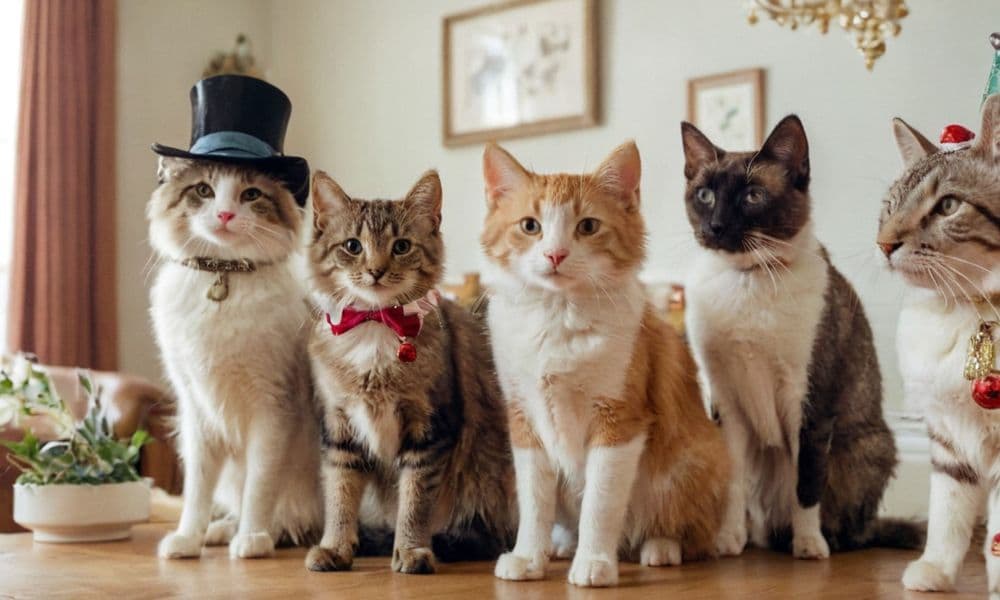
Cat Behavior Guide: What Different Breeds Tend to Do
Living with a cat is easier and more rewarding when you know what its breed is likely to do. While every cat is an individual, breeds tend to share behavior patterns that shape their energy, affection, and communication style.
How Breed Influences Cat Behavior
Breed influences a cat’s typical energy level, vocalization, sociability, and need for stimulation.
Genetics set a baseline, while environment and training fine‑tune the result.
- Owners should treat breed traits as a guide to likely tendencies, not a strict rule.
- Understanding your cat’s breed tendencies helps you match play, training, and routines to its natural style.
- Mixed‑breed cats often show a blend of behaviors from their ancestral lines.
- Even within breeds there are quiet, shy, bold, or unusually active individuals.
High-Energy, Curious Breeds
These cats act like athletes and investigators, needing daily challenges.
Abyssinian
- Abyssinians are typically very active cats who constantly explore shelves, bags, and new rooms.
- They often follow people around the home and want to be involved in whatever you are doing.
- Many Abyssinians enjoy learning tricks and walking on a harness because they like mental and physical tasks.
- Without regular interactive play, Abyssinians may invent mischief such as opening cabinets or climbing curtains.
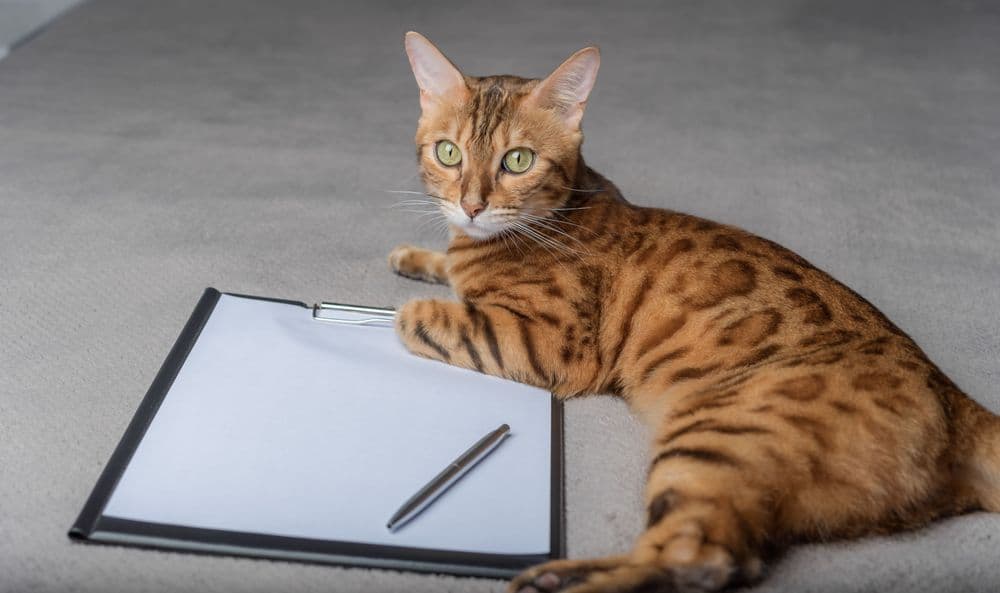
Bengal
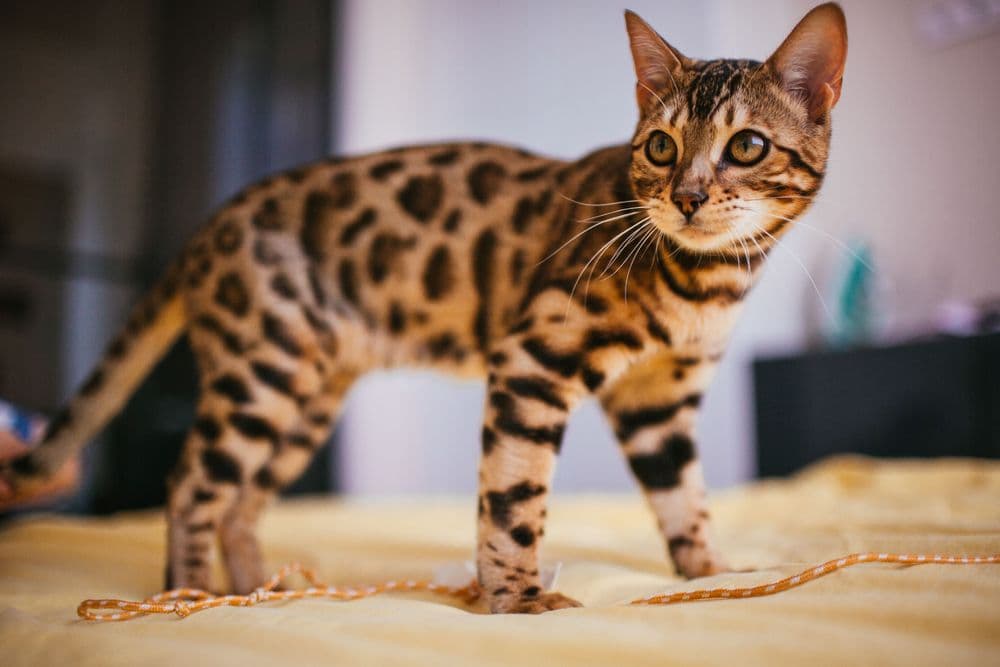
- Bengals tend to combine high energy with strong hunting instincts and a love of climbing.
- They often enjoy water and may paw at faucets or even join you in the shower area.
- Bengals commonly use loud, expressive voices to demand play, food, or attention.
- These cats usually need tall cat trees and puzzle feeders to stay satisfied and calm.
Social, People-Oriented Breeds
These breeds often behave more like companions who want continuous contact.
Siamese and Oriental
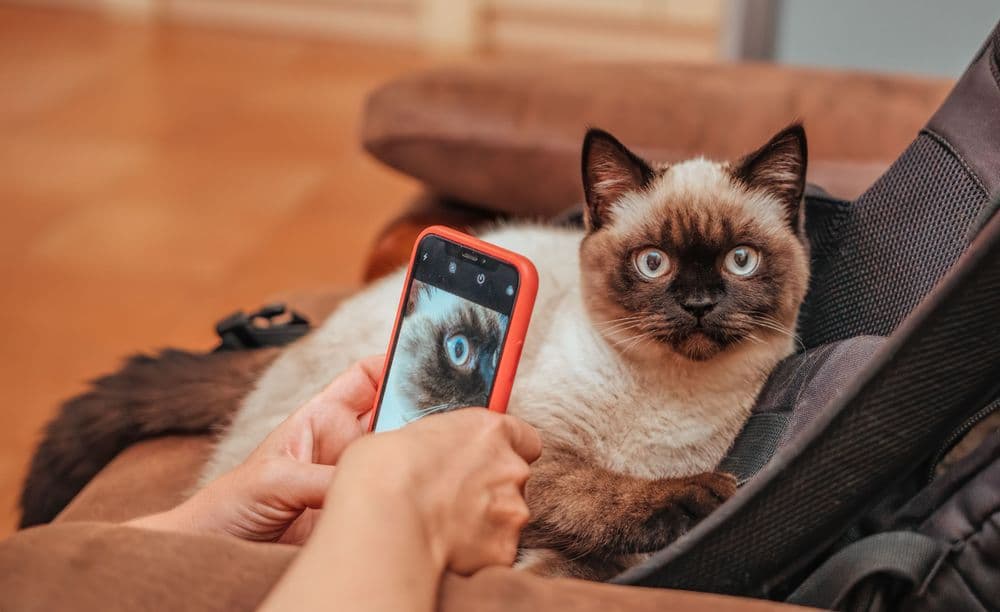
- Siamese and related Oriental breeds are known for being very vocal cats who hold “conversations” with their humans.
- They typically form intense bonds with one or two people and may follow them from room to room.
- Many Siamese dislike being left alone for long hours and can become stressed or clingy.
- Interactive play and regular affection time help channel their emotional, talkative nature.
Ragdoll
- Ragdolls are usually relaxed, affectionate cats who often go limp when picked up.
- They tend to enjoy being held or draped across laps for long cuddle sessions.
- Ragdolls often prefer gentle play and may be less interested in rough, high-speed games.
- Because of their trusting behavior, they are usually indoor-only cats who need safe enrichment at home.
Independent or Calm Companion Breeds
These cats still bond with people but typically show it in quieter ways.
British Shorthair
- British Shorthairs are generally calm, sturdy cats who like to be near you rather than constantly on you.
- They often welcome petting sessions but may set clear limits on being picked up.
- Their play style is usually moderate, with short bursts of activity and long naps.
- They usually communicate subtly, with soft meows and body language instead of constant vocalizing.
Russian Blue
- Russian Blues are often reserved with strangers but deeply affectionate with trusted family.
- They may watch new visitors from a distance before choosing to interact.
- Many Russian Blues enjoy predictable routines and quiet households.
- Their behavior can include gentle following and sitting nearby rather than overt demands for attention.
Playful Family-Friendly Breeds
These breeds often handle busy homes well when their needs are met.
Maine Coon
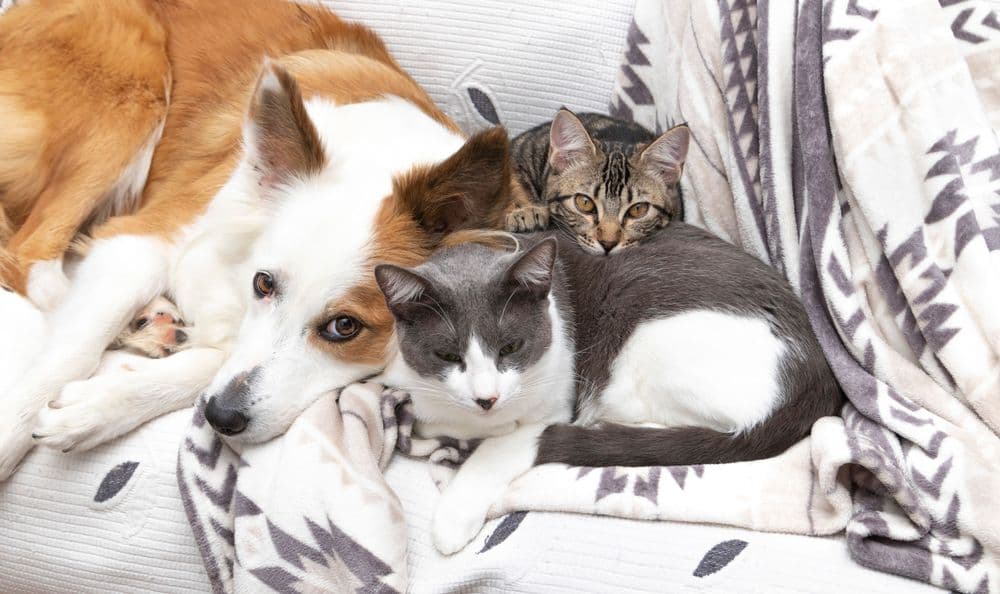
- Maine Coons are typically friendly, playful cats who tend to get along with children and other pets.
- They often enjoy interactive games like fetch and may carry toys around the house.
- Many Maine Coons are “gentle giants” who are social without being clingy.
- They frequently chirp or trill rather than produce classic meows, creating a soft communication style.
Sphynx
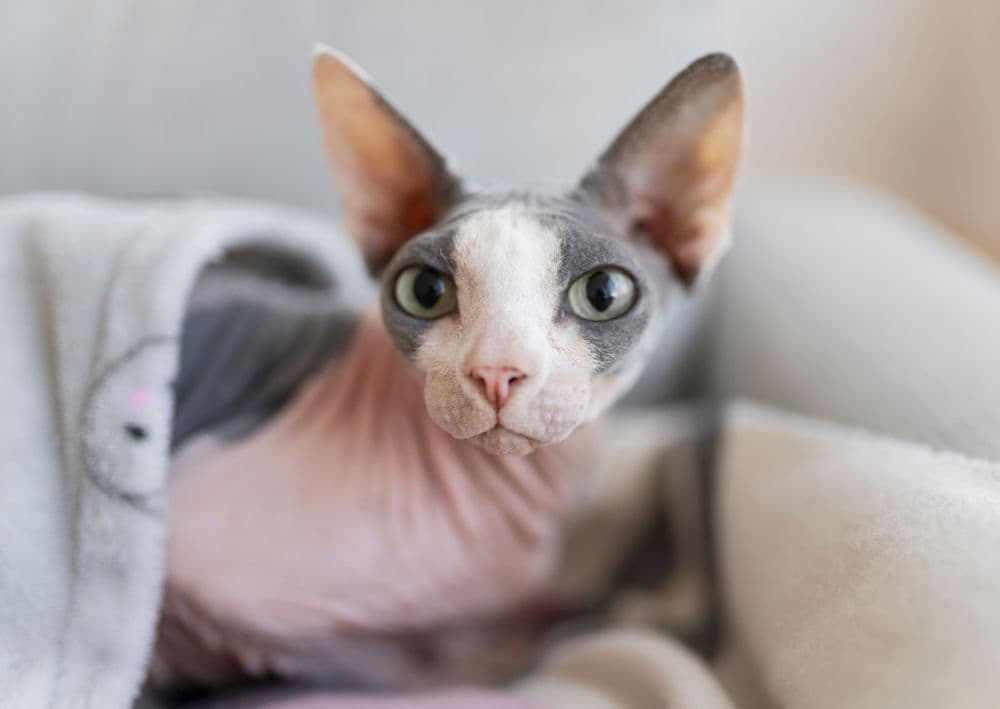
- Sphynx cats are usually very people-focused and seek warmth from laps and blankets.
- Their behavior often includes shadowing their person and joining in most household activities.
- Many Sphynx cats are clownish and playful, enjoying visitors and new toys.
- Because they lack fur, they often seek extra cozy spots and may be more cuddly to stay warm.
Adapting Your Care to Breed Tendencies
- High-energy breeds benefit from daily scheduled play, climbing spaces, and puzzle toys.
- Vocal, social breeds do best with predictable interaction, routine, and sometimes a companion animal.
- Calm and independent breeds appreciate quiet resting areas and gentle, respectful handling.
- Any breed can develop problem behaviors if mental and physical needs are consistently ignored.
- Observing your individual cat and adjusting the environment matters more than following breed stereotypes.
Conclusion
Knowing what different cat breeds tend to do helps you choose a companion whose natural behavior fits your lifestyle. Use breed tendencies as a roadmap, then fine-tune your home, playtime, and routines to your cat’s unique personality. When genetics and environment line up, both you and your cat enjoy a calmer, more connected life.
 X
X Facebook
 Telegram
 Instagram
 WhatsApp