
How Cat Identifier Apps Work to Recognize Different Cat Breeds
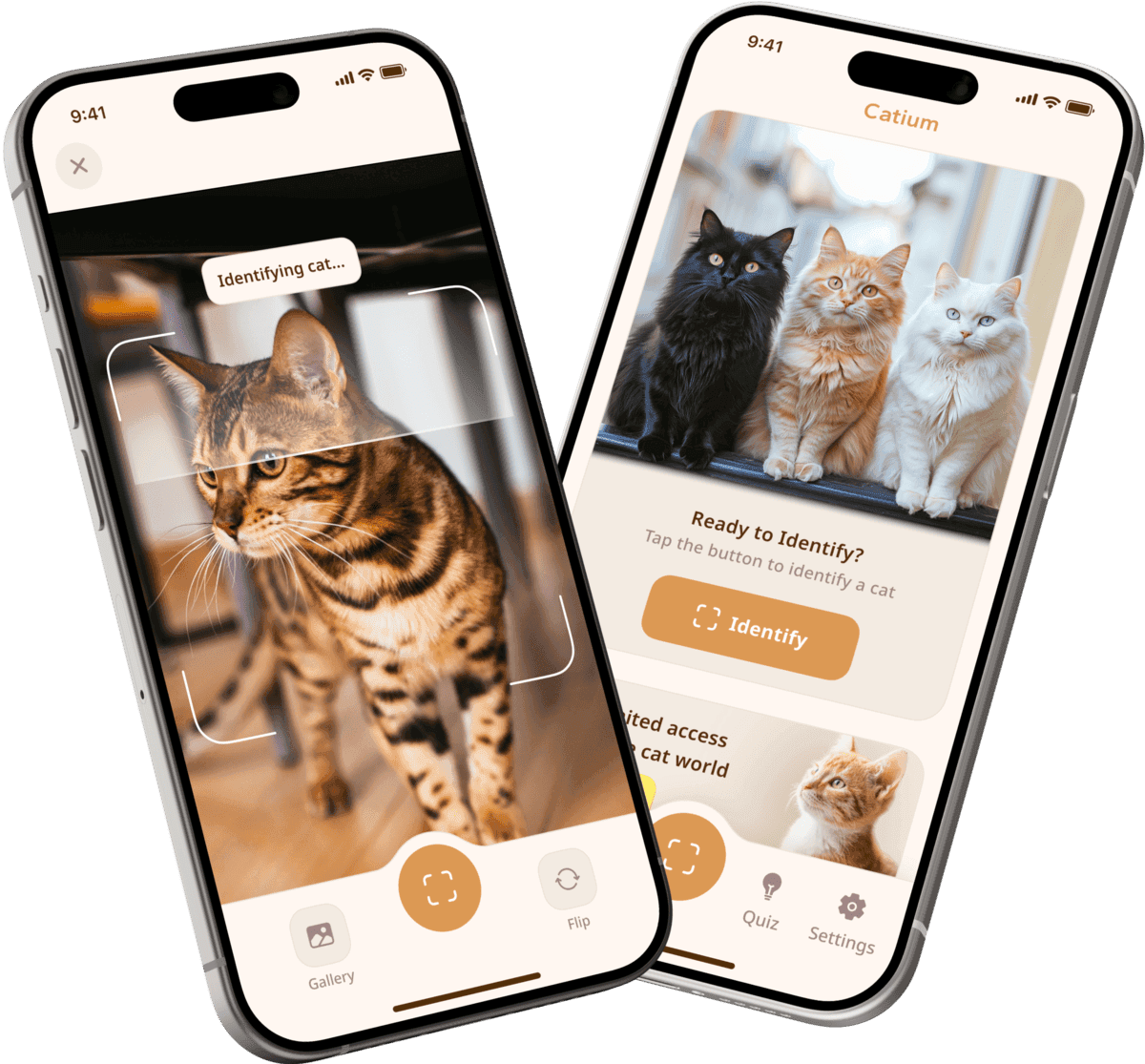
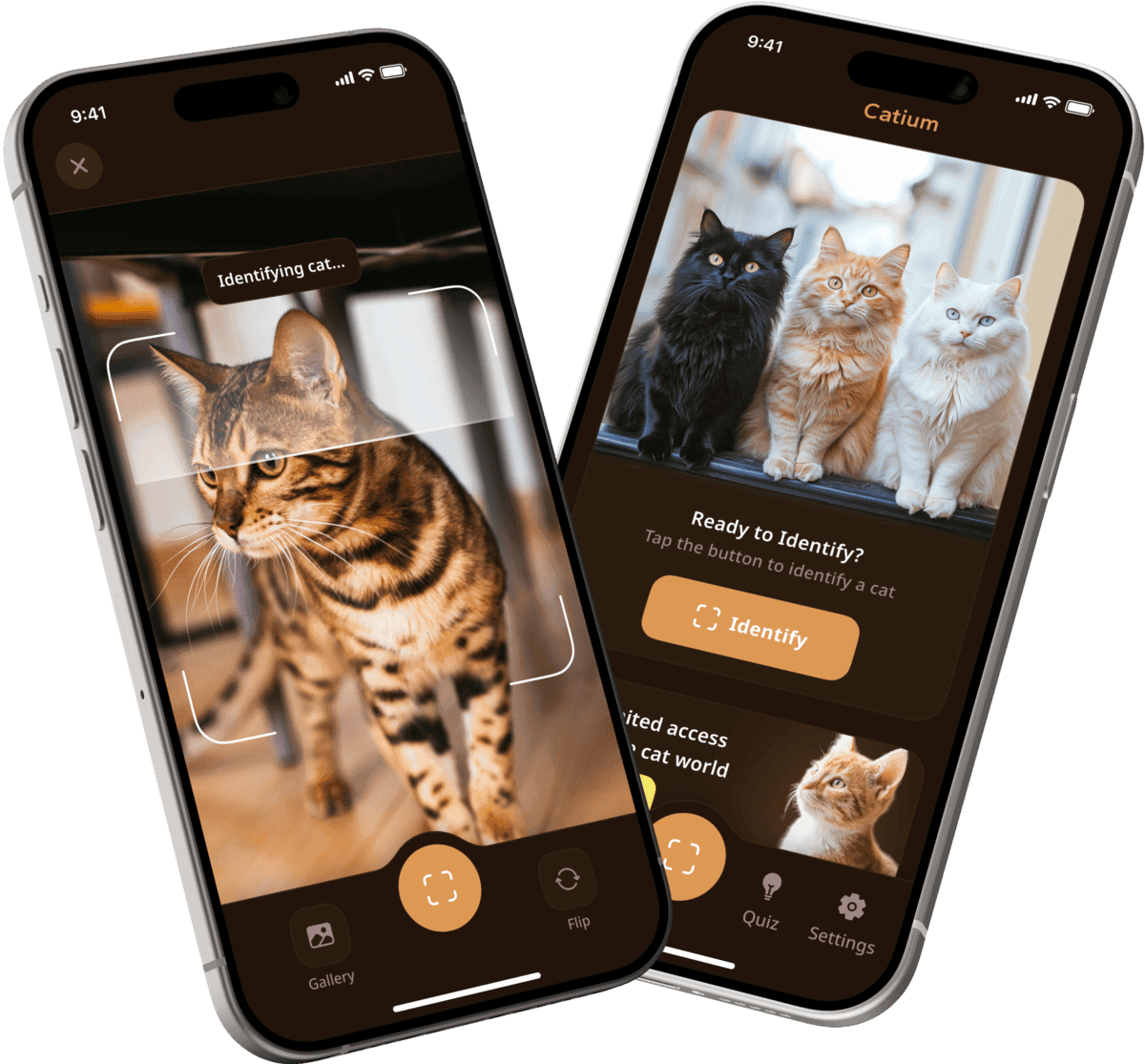
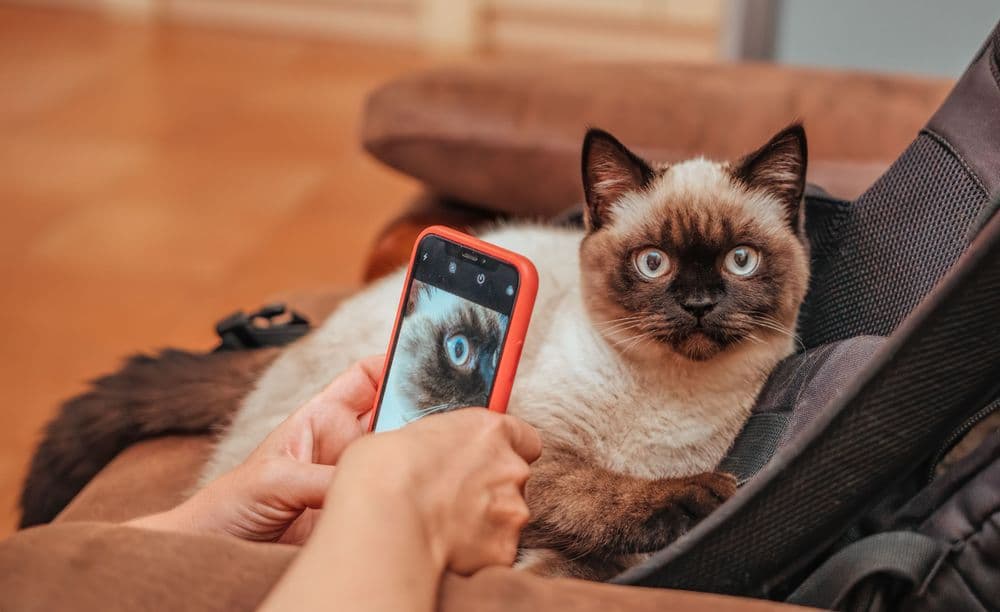
Cat identifier apps turn a quick photo of your pet into a likely breed match in seconds. Behind that simple tap is a chain of image processing, machine learning, and data comparison designed specifically around feline features.
How Cat Identifier Apps See a Cat in Your Photo
The first task is teaching the app to understand that your image contains a cat and not a random object or person.
- The app detects the presence of a cat by scanning the image for typical feline shapes like the head, ears, and body outline.
- It crops and centers the cat, trimming away distractions so the algorithm focuses only on the relevant pixels.
- It normalizes the image by adjusting brightness, contrast, and scale to reduce the impact of poor lighting or distance.
- It sometimes asks you to confirm or adjust the crop so the head and body are clearly visible for more accurate recognition.
Extracting Visual Features That Define Cat Breeds
Once the cat is isolated, the app looks for the visual patterns that distinguish one breed from another.
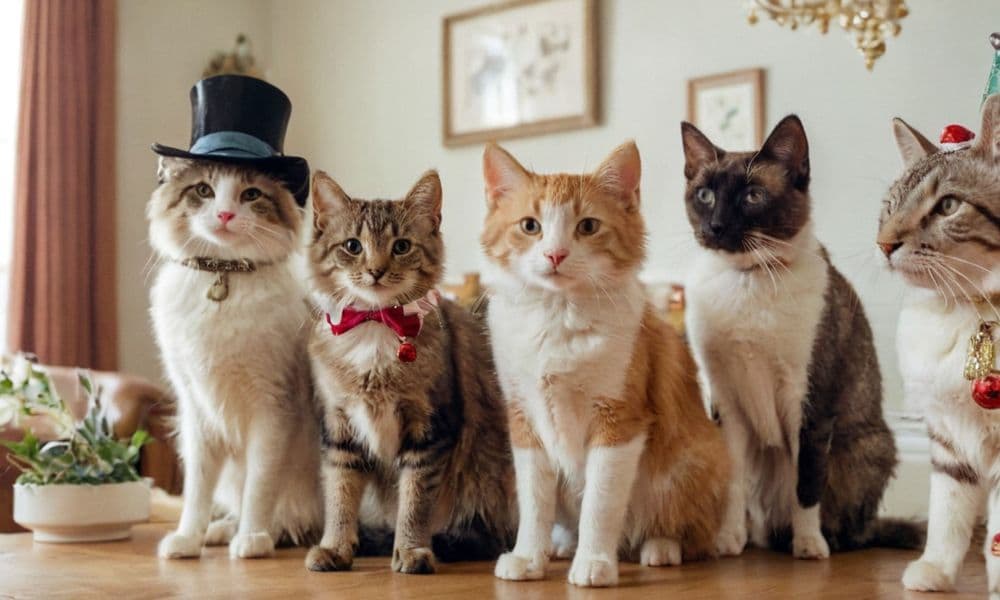
- The system analyzes fur color and patterns such as tabby stripes, solid coats, color points, or bicolor markings.
- It measures body and head shapes including muzzle length, ear size and position, eye shape, and overall proportions.
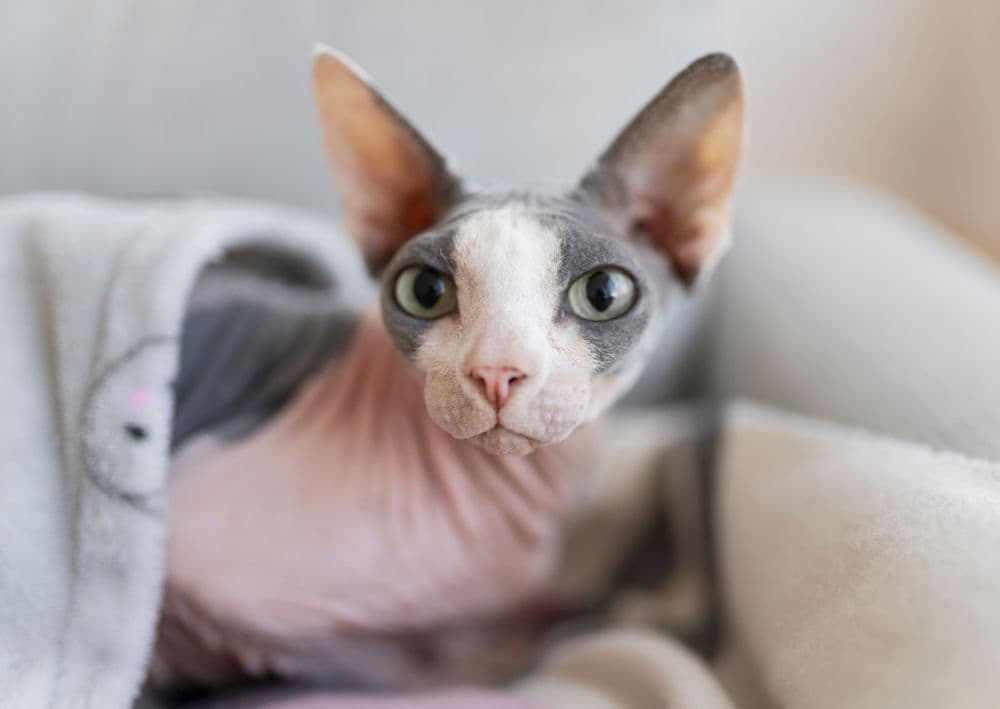
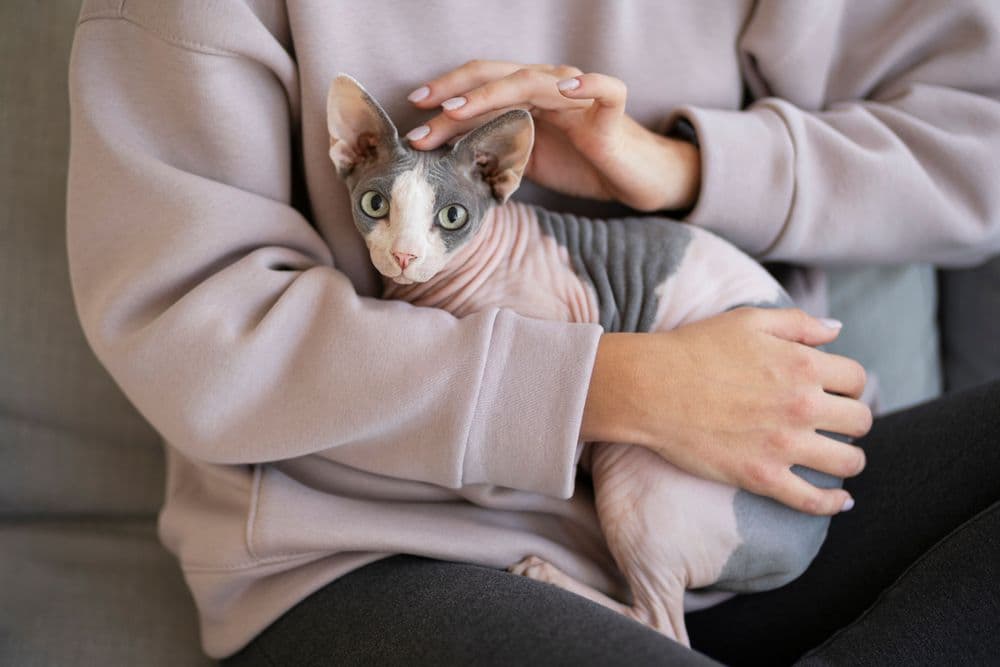
- It examines coat length and texture to separate hairless, short-haired, and long-haired breeds.
- It converts these traits into a numeric “feature vector” that represents your cat in a form the algorithm can compare efficiently.
How AI Models Learn to Recognize Cat Breeds
Cat identifier apps rely on machine learning models, typically convolutional neural networks (CNNs), trained on thousands of labeled cat photos.
- Developers collect large image datasets where each photo is tagged with the correct breed by experts or verified breeders.
- The model learns patterns by repeatedly seeing which visual features correspond to which breed labels across many examples.
- The training process adjusts millions of internal parameters so the model minimizes its error when predicting breeds on new images.
- The final result is a model that can generalize from its training data to recognize unseen photos of the same breeds with high confidence.
From Prediction to Breed Match on Your Screen
After extracting features, the app converts raw model output into a user-friendly breed suggestion.
- The AI model outputs probabilities for each known breed instead of a single hard answer.
- The app selects the top one or few breeds and displays them with confidence scores or probability percentages.
- It may add notes such as “mixed breed likely” or “features similar to X and Y” when confidence is lower or traits overlap.
- Some apps allow user feedback on whether the prediction was correct, and this feedback can be used to refine future model updates.
Limits, Mixed Breeds, and Improving Accuracy
Cat identifier apps are powerful, but several factors affect how well they can recognize breeds.
- Mixed-breed and non-pedigree cats often trigger blended predictions because their traits do not match any single pure breed pattern.
- Rare or newly recognized breeds may be misclassified if the training dataset contained too few examples.
- Poor quality photos, extreme angles, or heavy filters can confuse the model and reduce accuracy.
- Accuracy improves over time as developers add more diverse training photos, refine algorithms, and incorporate user corrections.
Conclusion
Cat identifier apps recognize different cat breeds by detecting the cat in your photo, extracting detailed visual traits, and matching them with patterns learned from large labeled datasets. While they are not perfect, especially for mixed or rare breeds, they provide fast, data-driven estimates that get better as models and image libraries grow. To help the app perform at its best, users can provide clear photos and share feedback on predictions.
 X
X Facebook
 Telegram
 Instagram
 WhatsApp