
What Breed Is My Cat? Simple Ways to Identify It
Most pet cats are mysterious mixes, but their looks and behavior can reveal a lot. With a few simple checks, you can get closer to answering, “What breed is my cat?” or at least which breed type it most resembles.
First Question: Purebred, Mix, or Domestic Type?
Before matching a specific breed, work out whether your cat is likely purebred.
- Consider where you got your cat and note that shelter cats and strays are usually mixed-breed domestic cats rather than purebred.
- Assume your cat is a “domestic shorthair,” “domestic mediumhair,” or “domestic longhair” if you do not have pedigree papers from a reputable breeder.
- Understand that looks alone rarely prove a cat is purebred because many breeds share similar colors, patterns, and body shapes.
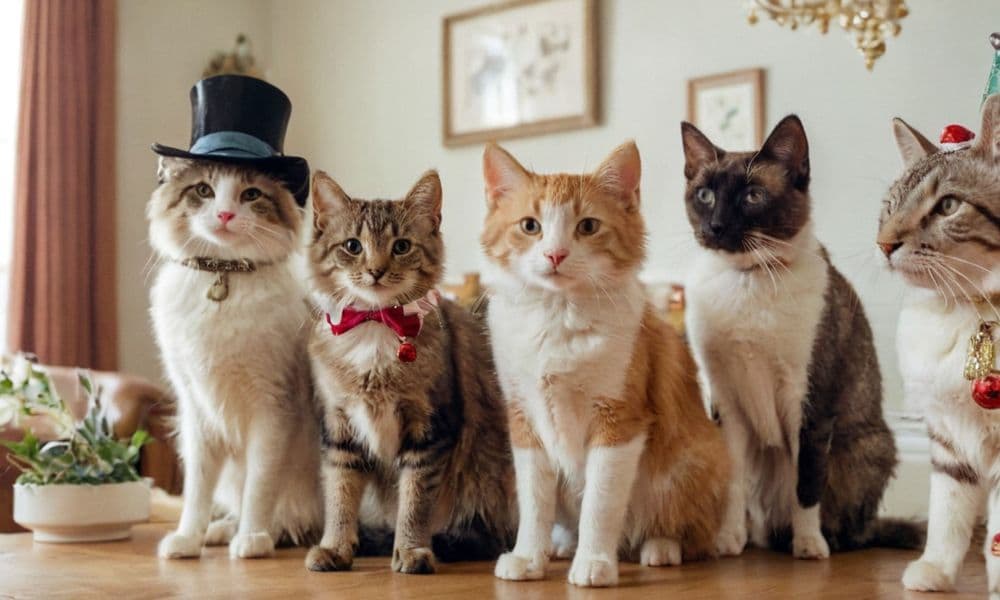
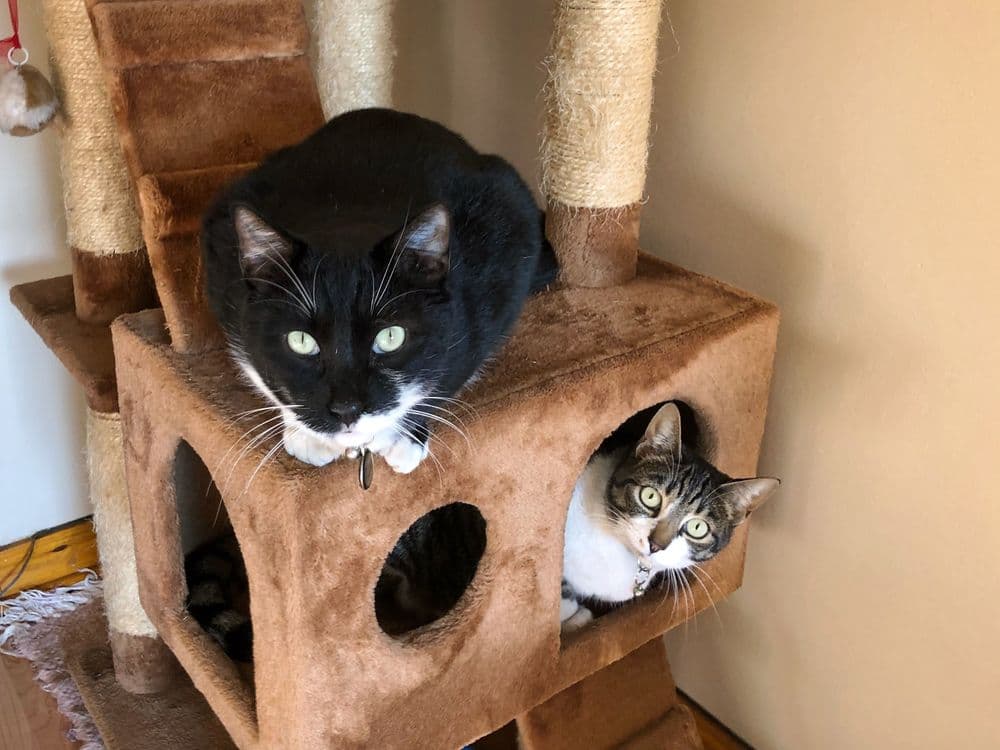
- Treat terms like “tabby,” “tuxedo,” or “calico” as color patterns and not as actual breeds.
Visual Clues: Coat, Color, and Body Shape
A structured look at your cat’s appearance can narrow down likely breed types.
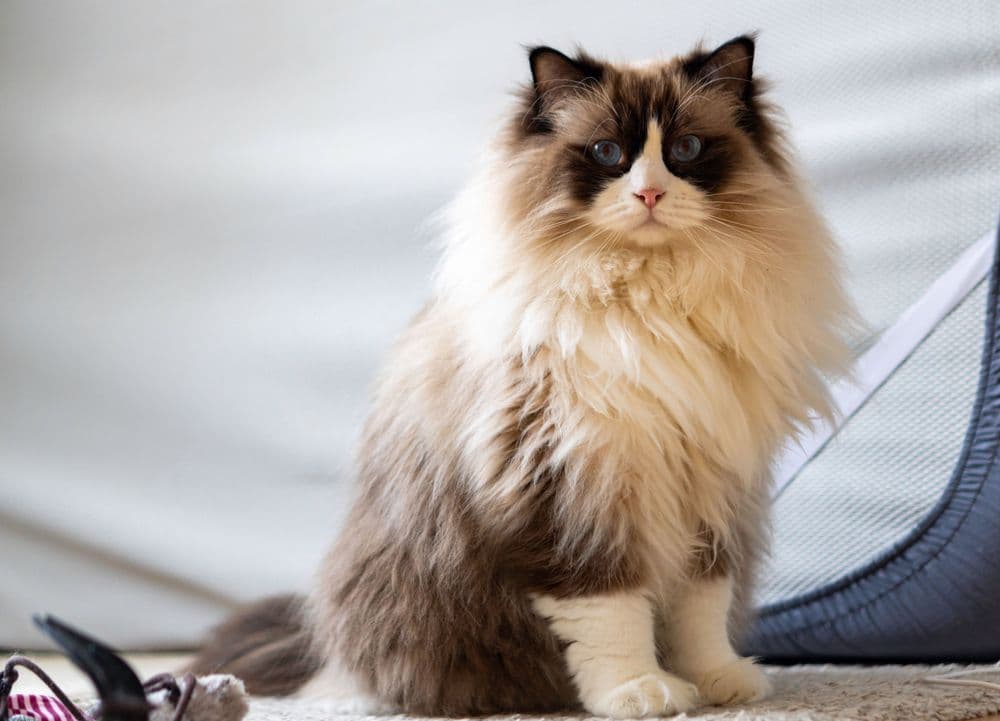
- Check coat length and texture to see whether it is short, medium, long, curly, or hairless, which helps rule in or out groups like longhaired or hairless breeds.
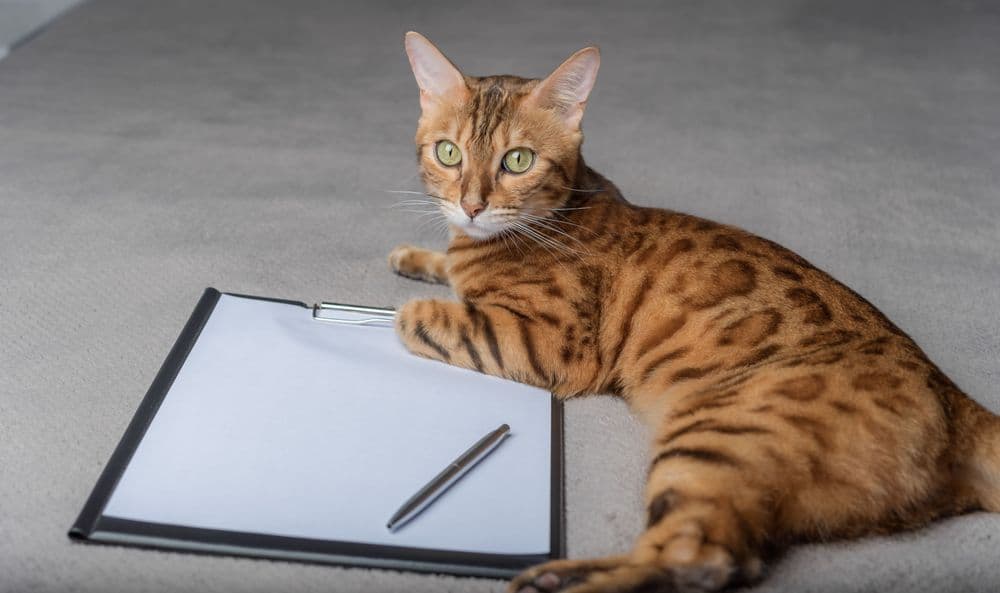
- Note color patterns such as tabby stripes, pointed markings like a Siamese, solid color, bicolor, tortoiseshell, or calico, since some patterns are more common in certain breeds.
- Look closely at eye color and shape because intense blue eyes, odd eyes, or very round or almond-shaped eyes can resemble features of specific breeds.
- Examine body type and size to see if your cat is cobby and sturdy, sleek and slender, or large-boned and muscular, which are key traits used in breed standards.
- Study the head, ears, and tail for distinctive traits like folded ears, tufted ear tips, short tails, or lack of a tail that may point toward certain established breeds.
Behavior and Personality Hints
Temperament alone cannot prove a breed, but it can support what you see physically.
- Observe how vocal your cat is because very chatty and opinionated cats may resemble vocal breeds, while quiet cats may fit calmer breed types.
- Notice activity level and play style, such as nonstop high energy, moderate playfulness, or laid-back lounging, and compare this to common breed descriptions.
- Watch how social your cat is with people and other pets, since “velcro” cats or highly independent cats may echo tendencies of specific breeds.
- Record unusual habits like fetching toys, enjoying water, or being shoulder-perched, as these quirks sometimes align with well-known breed behaviors.
Using Online Tools, DNA Tests, and Expert Help
When observation is not enough, simple tools and professionals can help you go further.
- Compare your cat carefully to official breed profiles and photos from major cat registries instead of relying only on random internet images.
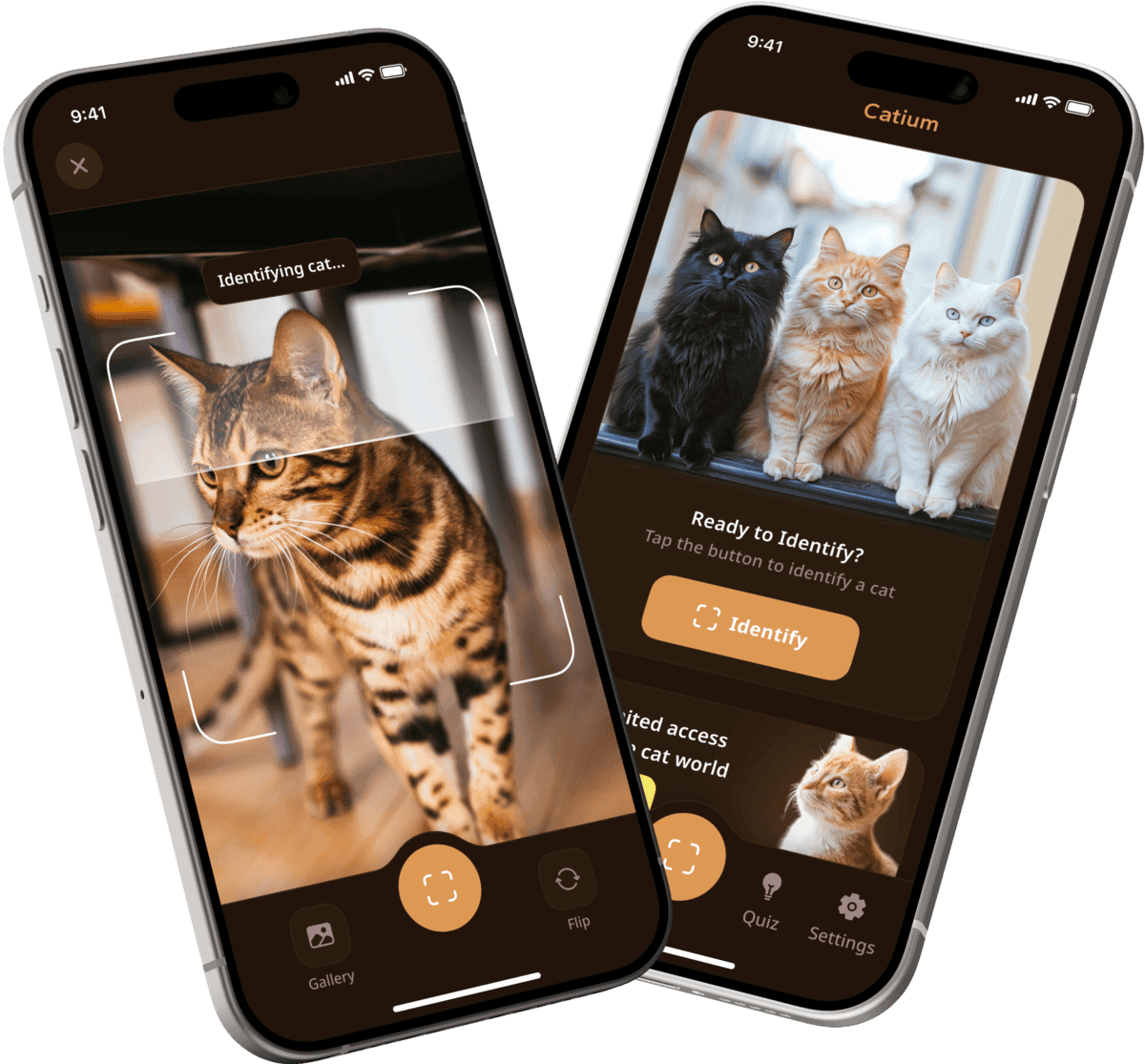
- Use online quizzes or visual match tools as fun starting points while understanding that they can be inaccurate and should not be treated as proof.
- Consider a feline DNA test if you want deeper insight into your cat’s genetic makeup, focusing on tests that list breed influence along with health markers.
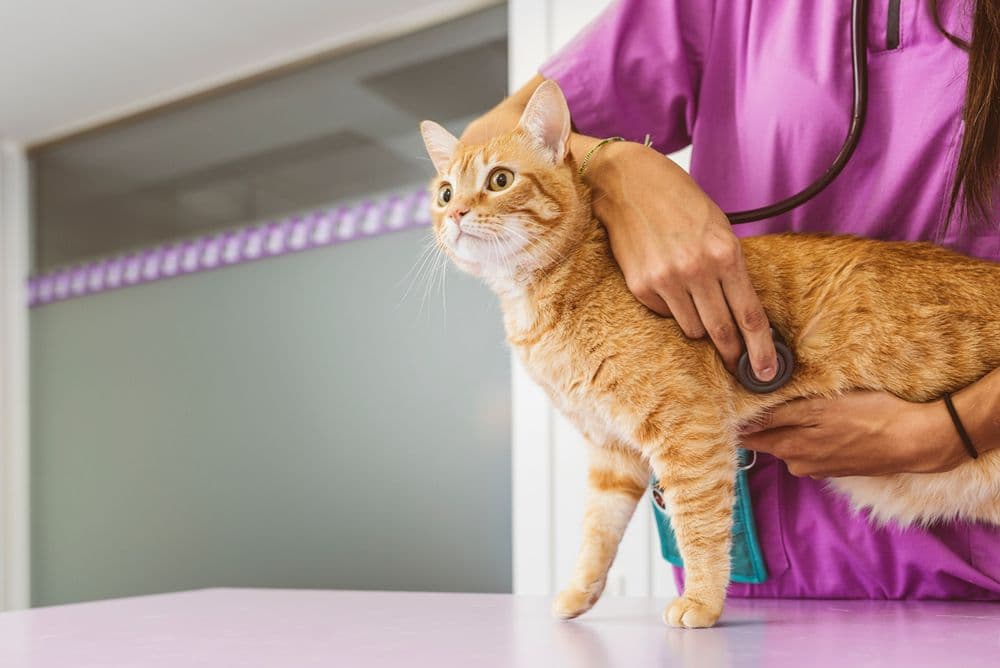
- Share good-quality photos and a description of your cat’s personality with your veterinarian or a feline specialist to get an informed opinion on likely breed type.
- Join reputable cat forums or breed clubs and ask experienced owners for feedback while remembering that even experts often identify mixes only as “domestic” resembling a certain breed.
Conclusion
Most cats are beloved mixed-breed companions, and that is perfectly normal. By combining visual clues, behavior, history, and optional DNA tests, you can usually identify your cat as a domestic type and see which breeds it most resembles. Focus less on proving a pure breed and more on understanding your cat’s unique traits. Use what you discover to choose better care, enrichment, and a home life that fits who your cat truly is.
 X
X Facebook
 Telegram
 Instagram
 WhatsApp