
Cat Health Basics for Every Breed: A Simple Care Checklist
Keeping any cat healthy, from tiny Munchkins to large Maine Coons, starts with consistent, simple habits. Use this care checklist to cover every breed’s basic needs and spot problems early.
Daily Essentials: Food, Water, Litter
Nutrition and Feeding
- Feed a complete, high-quality cat food appropriate for your cat’s life stage and health needs.
- Measure daily portions to prevent obesity and adjust amounts based on your vet’s guidance.
- Offer fresh, clean water at all times and refresh bowls at least once a day.
- Avoid feeding onions, garlic, chocolate, alcohol, bones, and heavily seasoned human food.
Litter Box Basics
- Provide at least one litter box per cat plus one extra in different quiet locations.
- Scoop waste at least once daily to reduce odor and infection risk.
- Empty, wash, and refill litter boxes weekly or more often if they smell or look dirty.
- Monitor urine and stool for changes in amount, color, blood, or diarrhea.
Grooming, Teeth, and Claws
Coat and Skin Care
- Brush short-haired cats weekly and long-haired or thick-coated breeds several times a week.
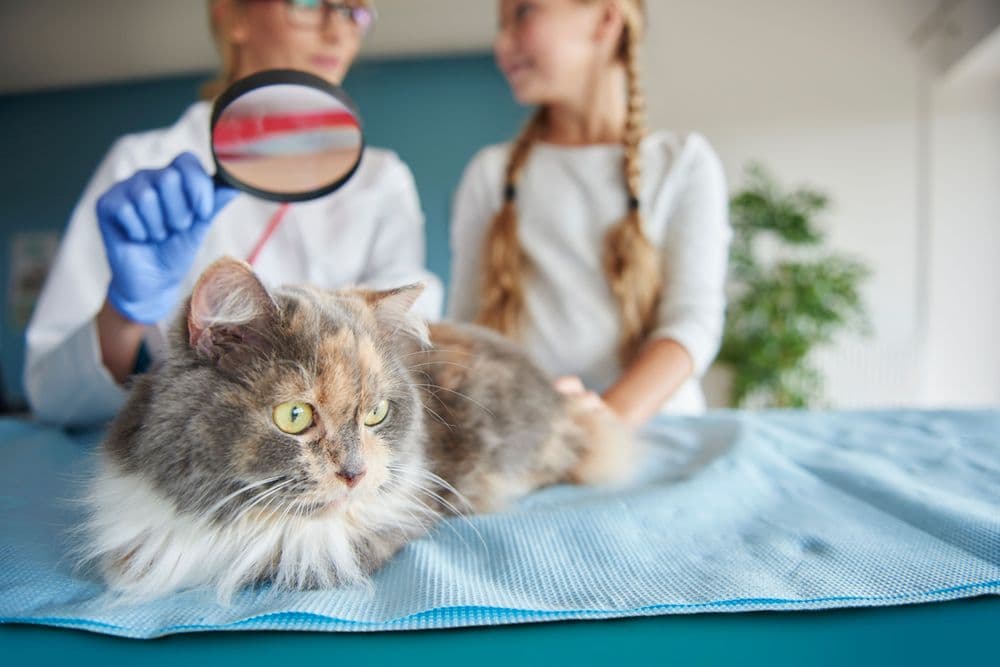
- Check the skin for bald spots, redness, scabs, fleas, or excessive dandruff while grooming.
- Wipe away any discharge from eyes and nose gently with a clean, damp cloth.
- Bathe only when necessary using cat-safe shampoo and dry the coat thoroughly afterward.
Dental and Nail Health
- Brush your cat’s teeth several times a week with pet-safe toothpaste and a soft brush.
- Offer dental treats or toys that help reduce plaque if your vet approves them.
- Trim nails every 2–4 weeks so they do not curl into the paw pads or snag often.
- Provide multiple scratching posts to keep claws healthy and protect your furniture.
Vet Visits, Vaccines, and Parasite Control
Routine Checkups
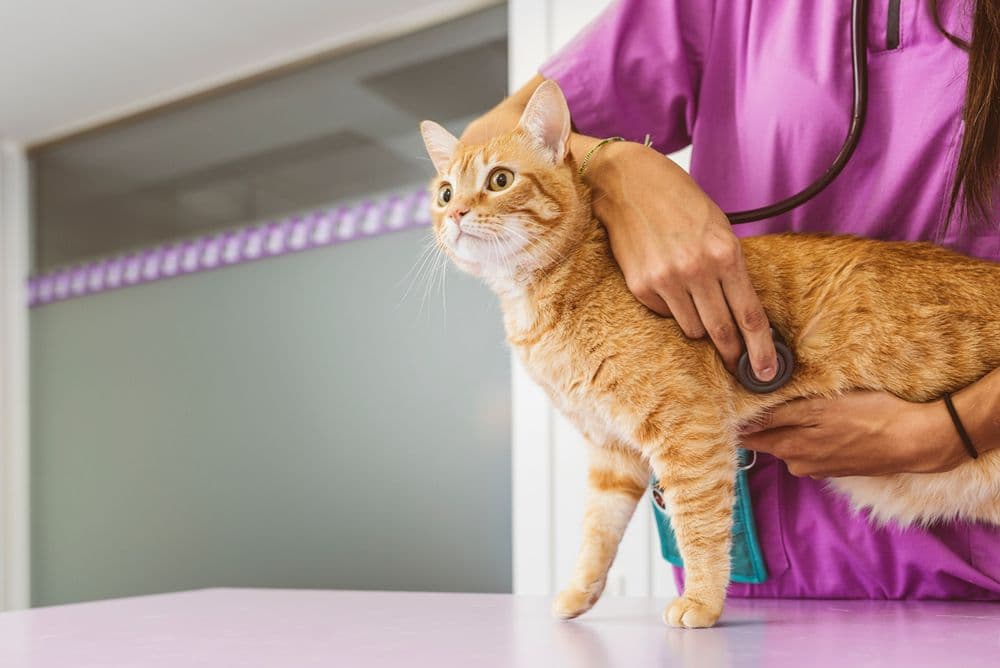
- Schedule a full veterinary exam at least once a year and every six months for seniors.
- Keep a written record or digital note of weight, vaccines, test results, and medications.
- Ask your vet about breed-related risks and any extra screening that may be helpful.
- Seek immediate care if your cat stops eating, has trouble breathing, or hides suddenly.
Vaccines and Parasite Prevention
- Follow your vet’s core vaccine schedule for diseases such as rabies and panleukopenia.
- Discuss lifestyle-based vaccines if your cat goes outdoors or meets other cats.
- Use year-round flea, tick, and worm prevention recommended specifically for cats.
- Never give dog medications or over-the-counter products without veterinary approval.
Behavior, Weight, and Home Environment
Activity and Mental Health
- Play with your cat daily using interactive toys to encourage running, chasing, and pouncing.
- Offer perches, hiding spots, and window views to reduce boredom and stress.
- Watch for changes in behavior such as aggression, clinginess, or withdrawal.
- Address stress triggers like loud noise or new pets with gradual introductions and safe zones.
Weight and Body Condition
- Weigh your cat monthly using a scale and track changes over time.
- Learn your cat’s body condition score so you can feel ribs without sharp prominence.
- Adjust food portions and playtime if your vet identifies your cat as overweight or underweight.
- Consider puzzle feeders to slow eating and stimulate natural hunting behaviors.
Early Warning Signs to Never Ignore
- Contact your vet if your cat has rapid breathing, wheezing, or persistent coughing.
- Call for help if you see blood in urine, stool, or vomit, or if vomiting happens repeatedly.
- Treat sudden changes in appetite, thirst, or litter box use as urgent warning signs.
- Watch for limping, difficulty jumping, or crying when touched as possible pain indicators.
Conclusion
Regular, simple routines protect cat health across every breed and lifestyle. Use this checklist as a weekly reference and adjust details with your veterinarian’s advice. By watching for subtle changes and acting early, you give your cat the best chance at a long, comfortable life. A few consistent minutes each day can prevent serious problems later.
 X
X Facebook
 Telegram
 Instagram
 WhatsApp